Category: Sober living

  • Why Does My Nose Get Congested When I Drink Wine?

    why am i stuffy after drinking

    An allergy to alcohol has a very different cause from alcohol intolerance. Someone with an alcohol allergy has an allergic reaction when exposed to alcohol or to a component of alcohol. Often, it is not actually an allergy to alcohol itself but to a component of the alcohol, like grapes or hops. The symptoms are caused because the body’s immune system becomes overactive and attacks something found in the alcohol. Having a mild intolerance to alcohol or something else in alcoholic beverages might not require a trip to a doctor.

    How to Clear a Stuffy Nose at Night

    Unfortunately for wine-lovers, there’s a lot of things in wine that can cause negative reactions or intolerances. Read beverage labels to see whether they contain ingredients or additives you know cause a reaction, such as sulfites or certain grains. Be aware, however, that labels might not list all ingredients. While nasal corticosteroid sprays are generally safe, they can cause uncomfortable nasal dryness, Dr. Jang notes. “Saline can be used before the steroid spray to keep the nasal cavities moist,” she says.

    New Health Issues

    If you feel sick as soon as you finish your drink, your body might not be able to process alcohol. why am i stuffy after drinking You head out with friends, expecting the usual fun night, but instead, one drink leaves you flushed, nauseous, or struggling to breathe. This kind of reaction is far from your typical experience, and now you’re left wondering why your body is suddenly unable to handle something it has always tolerated. In addition, a severe reaction called anaphlyaxis can occur.

    How to Test for an Alcohol Allergy
    why am i stuffy after drinking

    If you’re interested, we go into further detail about these symptoms in our more general article about alcohol intolerance. Having sluggish ALDH2 enzymes, or lower levels of it altogether, is ultimately the product of having genetic variation in your ALDH2 gene. Specifically, genetic changes that make your corresponding ALDH2 enzyme bad at its job. What’s more is that this genetic variation can be passed down from parent to child, making alcohol intolerance an inherited condition.

    • It’s also important to know that there are a few other components of alcoholic beverages that can trigger side effects similar to alcohol intolerance — some of which may be more or less serious.
    • But, if your nose is all stuffed up or runny after just a few sips of wine, this process probably isn’t proceeding as smoothly for you as it does for other people.
    • Make sure you avoid alcohol intake with any other medications, as there can be interaction between the two.
    • With this condition, you have an inactive or less-active form of the chemical that breaks down alcohol in your body.

    Treatment

    An alcohol intolerance, or ingredients like histamines in alcohol cause an allergy-like reaction in drinkers, swelling the the mucosal membranes in the nasal passages and airways. Avoiding problematic ingredients or taking a supplement to reduce acetaldehyde buildup and intolerance symptoms can help prevent nasal congestion from drinking. If you have strange symptoms soon after drinking, your body may not be processing alcohol properly. Sudden alcohol intolerance refers to when you have previously consumed alcohol without any issues but all of a sudden begin to experience adverse reactions after drinking. This can often seem to happen out of nowhere and can be quite alarming. Unlike general alcohol intolerance, which would be noticed the first time you drink alcohol, sudden alcohol intolerance can develop at any stage in life, often due to changes in health or other external factors.

    When to contact a doctor

    When I drink alcohol there is a magic sweet spot where my nose gets very stuffy feeling and I sound stuffy while talking. Drinking less and drinking more result in a clear nose and no stuffiness. It is clearly inflammation as blowing my nose results in no production and nasal spray such as Afrin alleviates it.

    why am i stuffy after drinking

    About Mayo Clinic

    • It could be more than hops, it could be something to do with malt.
    • They can help rule out any serious underlying issues and guide you on the best way to manage your symptoms.
    • According to Dr. Daniel Hall-Flavin of the Mayo Clinic, “it’s best to avoid combining antidepressants and alcohol. It may worsen your symptoms, and it can be dangerous.”
    • Through a multistep process, your body breaks down the ethanol found in your beer, wine, spiked seltzer — whatever it is you’re drinking — into waste products your body can easily eliminate.
    • A person should consult a doctor for further evaluation and treatment if symptoms persist.
    • Even those who only deal with nasal congestion from alcohol can benefit from Sunset’s ingredients.

    However, some people do experience true allergic reactions after drinking alcoholic beverages. In this case, the ethanol isn’t the culprit, but rather another ingredient in your beverage, such as a fermented grain, preservative or other chemical. If you experience a mild allergic reaction, over-the-counter oral antihistamines may be enough to treat it. If you develop any signs of a severe reaction, you should receive one or more doses of epinephrine.

    why am i stuffy after drinking

    How can you treat alcohol allergy?

    • But even with our guide on how to get rid of a hangover, you may want to dig deeper beyond the simple remedies and solutions to determine whether there is a real cause for concern here.
    • Just like wine, beer has a lot of ingredients that can make someone react negatively.
    • Now that you know the causes of stuffy nose on drinking alcohol, you need to be aware of the possible treatment options to get rid of the stuffy nose.
    • Your body may also start to reject alcohol later in life because as you age and your body changes, the way you respond to alcohol can also change.
    • If you have an allergy, your immune system over-reacts to contact with a trigger or “allergen.” If you have an alcohol allergy, your immune system treats alcohol as a threat.
    • Levels of histamines vary based on alcohol, but they will be in higher concentrations in beer and wine (especially red), he says.

    It happens if your ALDH2 enzymes (remember those?) aren’t particularly effective at their job, or if your body just doesn’t make enough ALDH2 enzyme in the first place. In either case, the result is less acetaldehyde being broken down into acetate. If you’re trying an alcoholic beverage for the first time, allergies and food sensitivities can sometimes be the hidden culprits behind a sudden alcohol intolerance.

    why am i stuffy after drinking

    If you have a true alcohol allergy, the only way to avoid symptoms is to avoid alcohol entirely. Even a small amount of alcohol can trigger a severe reaction. Read the ingredient lists of foods and drinks, ask restaurant staff for information about menu items, and avoid products that contain alcohol. If you have an alcohol allergy, your immune system over-reacts to alcohol. If you have alcohol intolerance, your digestive system doesn’t process alcohol properly.

  • Sober Living House in Boston Massachusetts

    tharros house

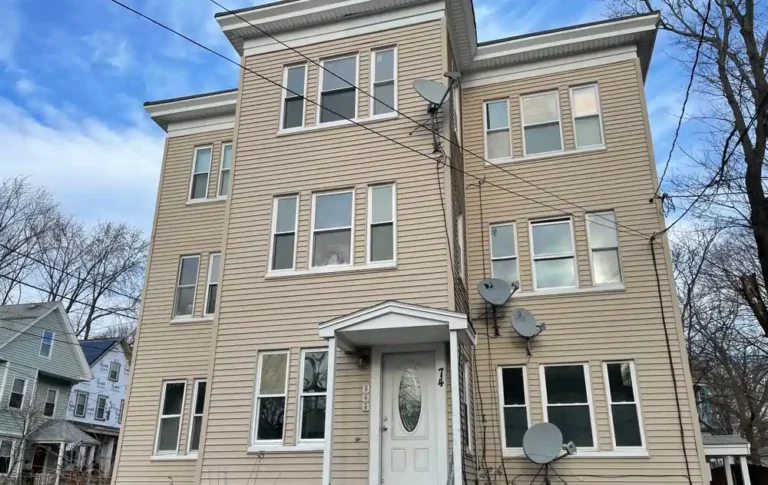
    Tharros House, located steps away from the center of Lexington, spans 4 levels with almost 8000 square feet of living space. All client guest rooms at Tharros are equipped with queen sized Serta Presidential Euro-top premium mattresses and high thread count linens. At Teras, clients work with their on-site case manager and our vocational coach to develop a recovery fellowship and engage work.

    See Tharros House on Chronical News Program

    Love the impact you are making and the relationships you are building with just time, a kitchen and acceptance. Teras does not provide transportation, but you may have a car, and ubers are readily available.

    People found Tharros House by searching for…

    With more than 40 years of recovery experience, our team understands what you’re going through and we want to help you love life again. With more than 50 years of recovery experience, our team understands what you’re going through and we want to help you love life again. Tharros offers significantly more than a traditional sober living. We fit in between what you’d find at a clinical extended care program and very supportive recovery home.

    1. Also included, our community offers activities, like weekend rock climbing, golf, and basketball.
    2. Longtime consultant and salesperson for in-coming conferences to Boston, Donna has developed teams at Historic Museums and Venues, John F. Kennedy Library, Brandeis University, and many venerable and start-up businesses.
    3. I want to leave room for creativity and mistakes and self acceptance because these are all part of life.
    4. Our team connects with each client’s clinical providers to help understand what supports are needed before he arrives at Tharros.
    5. At Tharros, we offer semi-private to fully private ensuite accommodation.

    At Tharros, we offer semi-private to fully private ensuite accommodation. Every guest room is well appointed, comfortable, and quiet. Tharros House is a private peer program which is not affiliated with any state or federal offerings.

    Testimonials are available on our site, and we are happy to connect you with families and past clients who can share their experience with you. We take privacy seriously, and client information is not shared with any outside sources, except those affiliated with treatment, or which the client otherwise requests. Monthly fees at Tharros include food for all meals and snacks, transportation by our team in commercially insured SUVs, all activities, Tharros groups, and peer mentoring support.

    Interested in working at Tharros House?

    tharros house

    Asking vulnerable questions in the kitchen encourages them to do the same when they step out into the world. When they get the hang of a skill, they can then turn to a buddy who needs assistance. We support each other’s path as well as to share what we have mastered. Some guys come naturally to working with dough, while others are more comfortable with a knife. There is a saying that “all we need to know we learned in kindergarten”.

    Our team connects with each client’s clinical providers to help understand what supports are needed before he arrives at Tharros. Christian Santilli is the Co-Program Director at Tharros House. He overseesoperations, manages staff and helps clients meet their goals tharros house on a day-to-day basis.Christian developed and runs our case-management system and serves as one of theprimary case managers himself.Christian is a former resident of Tharros House.

    Teras is located two miles away from Tharros (both Tharros and Teras are in Lexington MA). This less structured residence is designed to support clients when they have 25+ hours of work or other outside structure weekly, which can be developed with assistance from our team, in the first 30 days. Teras, our flexible structure home, offers a lower cost model for those ready to return to work, and who have their own transportation.

  • What You Need to Know About Spiritual Illness and Disease

    spiritual malady definition

    “Other trauma” refers to other events that were life threatening, caused serious injury or were highly distressing or disturbing. Addiction and self-destructive behaviors, including drug addiction, are frequently driven by a spiritual malady, intensifying the recovery struggle for individuals. This internal battle can make the path to healing and change even more challenging. This spiritual disconnection often results in emotional and mental turmoil, exacerbating the compulsion to use alcohol or drugs. The sense of emptiness and unrest that accompanies spiritual malady can lead us to seek solace in substances, perpetuating the cycle of addiction.

    I want to find a Higher Power. How do I do this?

    • Finding the right support system can make a significant difference in maintaining sobriety and fostering spiritual growth.
    • We accumulate threat and trauma codes throughout a lifetime that bias the system towards threat and trigger threat physiology easily.
    • Prejudice comes from the predictive codes in the shadows of the brain.
    • Faulty beliefs and misattributions, including self-blame and guilt, and over generalized problems with safety, trust, control, esteem, and intimacy, prevent the trauma from being integrated into memory (McCann & Pearlman, 1990; Resick & Calhoun, 2001).

    It doesn’t matter what your Higher Power is; what matters is that you believe in something that can help guide and support you on your journey to recovery. For example, AA rooms offer fellowship and support and provide a structure that can help keep you sober. These are all positive things that can help you on your journey to recovery, regardless of your beliefs.

    Finding the Right Support System

    They may start to skip meetings, distance themselves from their support system, and eventually relapse. It is strange paradox, the more you focus on helping others, the more you discoverhow much you matter. A key part of any recovering individual’s daily maintenance of sobriety stems around this practice, of cultivating connections with those who are also seeking to improve their lives, as well as reaching out from a standpoint of newfound strength, to help those still in the depths of despair. For some, it may manifest as a feeling of being disconnected from others or as a sense of emptiness.

    • This connection with a power greater than ourselves is not necessarily religious but is about finding a profound spiritual grounding.
    • Without a connection to a higher power, it can get quite ugly in sobriety.
    • Today’s guide explores the spiritual malady meaning in the context of 12-step recovery groups like AA (Alcoholics Anonymous).
    • The present prospective study tested the role of spiritual struggle in the development and maintenance of PTSD symptoms following trauma.
    • It is not a time for deep thought, nor bonding and sharing, or you’ll be sharing a meal with the tiger and not in a good way.

    Free Resources For Addicts and Alcoholics in Recovery

    Perhaps one of the most famous quotes in all 12-Step literature comes from the English philosopher Herbert Spencer. Once you’ve found something that you can believe in, it’s important to remember that your Higher Power is there for you when you need it. When things get tough, take a moment to pray, meditate, or just sit quietly and think about your Higher Power and what it means to you. Allow yourself to feel the strength and support that comes from knowing that there is something bigger than yourself out there rooting for your success. Finding a Higher Power is an essential part of Alcoholics Anonymous, but what if you don’t believe in God? You’re not alone – there are plenty of people in AA who don’t believe in God, or who have trouble with the concept of a higher power.

    spiritual malady definition

    This biases our system towards threat physiology and plays a significant role in our health and wellness. As we are an inherently spiritual species, we frequently fear a spiritual death as much as a physical death. Failure to recognize the effects of all of our existential worries, big and small, leads to all kinds of mishaps and trouble for spiritual malady our species. One is a mobilization response where we approach, bond, empathize, love, reproduce, seek resources, share resources, problem-solve, discover, create, sing, dance, play, laugh, and experience interpersonal connections. This is frequently referred to as ‘breed and feed” physiology, although it is clearly much more than just that.

    • Receive weekly mailings to support your meditation journey and your daily practice.
    • This study presents ways in which spiritual struggle reflects negative personal meanings for stressful events and provides evidence that struggle can facilitate the development and maintenance of PTSD symptoms.
    • It’s really not my mind — the mental obsession — that is the underlying root of what will take me back to drinking.
    • Grasping this concept allows us to truly understand the necessity of spiritual healing in our recovery journey.

    Spiritual struggle consists of maladaptive religious cognitions about the cause of, responsibility for, and future implications of stressful events, paralleling secular cognitions known to be factors in the development and maintenance of PTSD symptoms (e.g., Brewin & Holmes, 2003). In fact, spiritual struggle has been linked to PTSD symptoms in a variety of trauma-exposed samples (e.g., Aflakseir & Coleman, 2009; Conners, Whiteside-Mansell, & Sherman, 2006; Harris et al., 2008); however, knowledge in this area thus far is limited to cross-sectional findings. This “fourth dimension”, which we find out in the 10th Step is the “world of the Spirit”, takes us beyond the physical, mental, and emotional dimensions of life — and eliminates the selfishness (ego) of the “spiritual malady.” The term “spiritual malady” does not mean that our “spirit” is sick. It simply means we are spiritually blocked off from the Power of God, which enables us to remain sober, happy, joyous, and free. This “fourth dimension”, which we find out in the 10th Step is the “world of the Spirit”, takes us beyond the physical, mental, and emotional dimensions of life — and eliminates the selfishness (ego) of the “spiritual malady.” The term “spiritual malady” does not mean that our “spirit” is sick. This study also isolated components of spiritual struggle and their individual relationships with trauma and PTSD symptoms.

    spiritual malady definition

    Contact Your First Step’s National Hotline

    That way, they’ll be able to relate to your experience and offer advice from a place of understanding. Here are some things you can do to work through your spiritual malady even if you don’t believe in God or have an understanding of your higher power. Anxiousness, depression, and boredom are a few other factors that contribute to being spiritually maladapted. For a while, that seemed to work for us but once we stopped using substances the discontentedness came back to the surface in sobriety.

    • As you grow in your sobriety and learn more about yourself, you may find that your concept of a Higher Power changes as well.
    • While AA promises that the Higher Power can “restore us to sanity” when “the spiritual malady is overcome,” we’re never entirely free.
    • Reappraisal of God’s Powers as partial mediator of the relationship between trauma exposure and PTSD symptoms, controlling for baseline PTSD symptoms.

    An environment that is supportive and appreciates the spiritual aspects of addiction is crucial for sustained recovery. Maintaining close relationships with AA sponsors is critical, particularly in the first year of recovery, to avoid distractions and stay focused on healing. David Roger Clawson, M.D., is a Physical Medicine and Rehabilitation physician with an interest in natural prevention and healing strategies for health and wellness. Foundational to this practice is the understanding of threat and defensive physiology versus safety and restorative physiology. We also house traumatic memories in the threat centers of our brains that are slightly different than predictive codes as they may bubble up to awareness or into nightmarish dreams.

    spiritual malady definition

    spiritual malady definition

    However, studies have shown that spiritual struggle is common among college students (Astin et al., 2004; A. N. Bryant & Astin, 2008), indicating that studying spiritual struggle, even in samples that may not identify as highly religious, is feasible. In the present sample, most students indicated they were at least slightly religious (64.1% at Time 1 and 59.2% at Time 2) and at least slightly spiritual (73.5% at Time 1 and 70.6% at Time 2). If we do not get spiritually connected with meditation or prayer with a power greater than us it will bring us closer and closer to that drink or drug. In sobriety, if we are self-reliant we usually end up using anything that will make us feel good externally excessively. Although we are not physically compelled to that first drink or drug if we give in to the obsession we find ourselves waking up in jail cells or our loved ones are upset with us or left with no money in our bank accounts and have no idea what had happened the night before.

  • How Alcohol Can Affect Your Heart Rate The New York Times

    A new study has found that consuming alcohol, even as little as one can of beer or one glass of wine, can quickly increase the risk of a common type of cardiac arrhythmia known as atrial fibrillation in people who have a history of the condition. There is some evidence that moderate amounts of alcohol might help to slightly raise levels of “good” HDL cholesterol. Researchers have also suggested that red wine, in particular, might protect the heart, thanks to the antioxidants it contains.

    Tips for Reducing Alcohol Consumption

    1. Recommending drinking as a primary or secondary prevention measure for CVDs, which comes up occasionally in the literature, should be discouraged due to the substantial risks of any alcohol consumption for many health outcomes.
    2. Exercise can also boost HDL cholesterol levels, and antioxidants can be found in other foods, such as fruits, vegetables and grape juice.
    3. Blocking the action of the enzyme known as hydroxymethylglutaryl coenzyme A (HMG-CoA) reductase has been shown to suppress cell proliferation, among other effects (e.g., cholesterol reduction), and thus may provide another way to reduce plaque formation and slow atherosclerosis development.
    4. It has been suggested that wine could provide greater protection because of its polyphenol content, but it is argued that lifestyle and time of day can play a more significant role in the wine-drinking population [5,18,19].

    For example, consuming seven drinks on a Saturday night will not have the same effects as consuming one drink each day of the week. Significant progress has been made in the last decade in understanding both the beneficial and harmful effects of alcohol on the cardiovascular system. Nevertheless, alcohol has numerous secrets that remain to be uncovered by ongoing research. Further investigations will clarify some of the effects of alcohol discussed in this article (e.g., its effects on fibrinolysis), including its mechanisms (e.g., alcohol’s possible role in the inhibition of the enzyme HMG-CoA reductase). In addition, other atherogenesis-related factors (e.g., the influence of hormones) that are not addressed in this article may be influenced by the use of alcohol, and research is needed to investigate these factors as well. An important aspect of the alcohol-hypertension association—and a fertile area for future studies—concerns alcohol’s interactions with antihypertensive medications such as propranolol and clonidine.

    Effects of alcohol on your heart

    “The myth that wine is beneficial for heart health is no longer true,” she states. This can theoretically be overcome by using biomarkers of alcohol consumption as tool to assess habitual alcohol consumption [58]. However, most biomarkers for alcohol consumption are either not specific enough (e.g. liver function markers) or only capture recent consumption of the past days, often at high doses (e.g., ethyl glucuronide). However, none of these studies has been able to resolve the pressing question of whether there is a true protective effect of moderate alcohol consumption.

    What Does Alcohol Do to Your Body? 9 Ways Alcohol Affects Your Health

    In addition to epidemiological studies, in vitro studies have investigated the effects of alcohol on fibrinolysis. Laug (1983) reported alcohol-induced increases in t-PA secretion in cultured endothelial cells, and Kjaeldgaard and colleagues (1988) observed similar effects with a human melanoma cell line. Reeder and colleagues (1996) suggested that the interaction between alcohol consumption and fibrinolysis may involve the influence of rhythmic daily fluctuations in the levels of fibrinolytic proteins, but the exact mechanisms remain to be elucidated. At moderate consumption levels, McKenzie and Eisenberg (1996) found that alcohol did not impair the normal synthesis of coagulation factors. Instead, alcohol’s antithrombotic effects appear to be related to platelet granule secretion and inhibition of thromboxane A2 production. Alcohol also may affect the structural integrity of activated platelets by interfering with granule fusion, which results in changes in platelet shape (Stubbs and Rubin 1992).

    We can all experience temporary and long-term effects of alcohol, depending on our consumption. We go to happy hour after work, we give toasts at weddings, and we drink to celebrate and mark occasions. Oftentimes, we aren’t thinking about how much or how often we consume alcohol or its effects on the body. Characteristics of studies evaluating anti-inflammatory, antioxidant, and antithrombotic effects of alcohol. The morning after a night of over-imbibing can cause some temporary effects on your brain.

    Several studies have reported an elevated risk for both IS and HS from heavy episodic drinking [77,78,79]. One study showed that the risk increased with a higher frequency of heavy episodic drinking [78]. The higher the alcohol consumption within 24 h or one week, the higher the risk for IS or HS [53,80]. Several mechanisms have been identified to explain alcohol’s negative effects on cardiac muscles. For example, when an electrical current spreads to the interior of cardiac muscle fibers, it causes the release of large quantities of calcium ions from a network of tubules (i.e., the sarcoplasmic reticulum), which in turn trigger the chemical events that produce muscular contractions. Alcohol alters the permeability of the sarcoplasmic reticulum to calcium ions, however, and thus reduces the efficiency by which calcium activates muscle contraction (Thomas et al. 1996).

    The short-term effects of alcohol (headache, nausea, you know the rest) are easy to pinpoint. But there are ways that alcohol affects your body over time that are important to understand. One of the long-term effects of alcohol on your heart is alcoholic cardiomyopathy. This is when your heart-pumping function gets weaker and your heart gets larger due to changes from heavy alcohol use over a long period of time.

    The same year, the prevalence of current drinking was 72% and per capita alcohol consumption among adults in Europe (EU) was 11.3 liters of pure alcohol [1]. Nonetheless, consumption in the EU has decreased over the last few years, in contrast to consumption worldwide, which, in fact, is on the rise [1]. Some studies have shown an association between moderate alcohol intake and a lower risk alcohol awareness toolkit prevention technology transfer center pttc network of dying from heart disease. Heavy drinking can make you more likely to get serious health problems like liver disease, cancer, and peptic ulcers, among others. Regular or high alcohol use can hurt your heart and lead to diseases of the heart muscle, called cardiomyopathy. Increased autophagy as a possible mechanism underlying the adverse myocardial effects of ethanol is intriguing.

    When alcohol consumption is chronic, platelet function is significantly reduced, and clotting time increases. Another cohort study following 1471 black South African individuals over a period of 5 years evaluated the association between alcohol intake, mortality, and the development alcohol use disorder symptoms and causes of hypertension. They described that participants self-reporting alcohol intake had a 30% increased risk for developing hypertension (hazard ratio (HR) 1.30, 1.07–1.59) [16]. The importance the type of alcoholic beverage has on its health effects has been a subject of discussion.

    In another recent study, researchers found that people who drank moderate amounts of alcohol frequently had a greater risk of Afib than those who occasionally drank a lot of alcohol in one sitting, or binge drank. There’s been an uptick in non-alcoholic drink options, as more and more companies are creating alternatives. A 2020 study found genetics of alcohol use disorder national institute on alcohol abuse and alcoholism niaaa that when weekly drinkers were presented with and aware of increased non-alcoholic options, they were likely to choose them. The most frequent way to address this issue is by self-reporting, which inherently involves the possibility of under- or overestimating intake depending on the social perceptions of the individual [16,17,18].

    ()

  • Understanding Alcoholic Nose: Causes and Treatment

    rhinophyma alcoholic nose

    For those suffering from rosacea, it’s normal to feel self-conscious when experiencing pimples or redness of the nose. For many who have rosacea, oral antibiotics can be prescribed by your doctor. Topical treatments are usually applied directly to the affected area and are effective in managing mild to moderate symptoms. Regular use as prescribed by a dermatologist can yield significant improvements. Brittany has 15 years of experience in the Mental Health and Substance Abuse field. When rhinophyma is severe enough, an individual can have trouble breathing.

    Rosacea

    Addressing alcohol abuse is also crucial in prevention, as excessive drinking can exacerbate rosacea symptoms and lead to further complications. Historically, it was believed that the condition was primarily caused by excessive alcohol consumption. However, modern medical research has shown that while alcohol can exacerbate rosacea symptoms, it is not the primary cause. This misnomer has led to a stigma that unfairly labels those affected by rhinophyma. It’s a severe form of rosacea, a chronic skin condition that causes redness and bumps on the face.

    rhinophyma alcoholic nose

    Thickening of the Skin

    rhinophyma alcoholic nose

    Rhinophyma can cause the oil glands in the nose to enlarge, contributing to the swollen and bulbous appearance. This enlargement can also lead to increased sebum production, making the skin appear oily. Managing oil production through appropriate skincare can help in reducing some of these symptoms. The exact cause of rhinophyma is still unknown, but several factors can contribute to its development.

    Rhinophyma: when Red Nose Day is no laughing matter

    Though rhinophyma is not caused by alcohol misuse, if you or a loved one are concerned about your drinking and other potential health effects, help is available. Take our alcohol assessment to assess your drinking habits or contact a treatment provider to explore your treatment options. Isotretinoin aids symptom reduction by lowering sebum production and sebaceous gland size.

    rhinophyma alcoholic nose

    Alcohol Addiction and Abuse

    rhinophyma alcoholic nose

    Sometimes, extensive cases of overgrowth may occur with cancerous tumors. It is unclear whether the rosaceous growth itself is carcinogenic or whether a predisposition for cancer may increase alcoholic nose the likelihood of rosacea. Even a single alcoholic drink can cause flare-ups for many people with this condition. A survey by the National Rosacea Society found that red wine was the most common culprit, followed by white wine and beer. Because alcohol dilates blood vessels and damages the vascular system, it can aggravate rhinophyma and other types of rosacea. Some people with rosacea develop rhinophyma, but people without rosacea can have this disorder, too.

    rhinophyma alcoholic nose

    • While its name suggests a direct link to alcohol consumption, the reality is more nuanced, and many individuals with rhinophyma do not have alcohol use disorder.
    • This redness may be accompanied by a noticeable enlargement of the nasal tip and an increase in the size of pores on the facial skin.
    • Rosacea is a chronic skin condition that affects the blood vessels in the face, leading to a flushed appearance of the facial skin.
    • The condition is much more common in males than females and usually develops between the ages of 50–70.

    These are done to manage symptoms and improve the appearance of the nose. More severe cases should be referred to a specialist, who may consider using topical ivermectin and brimonidine, or oral isotretinoin. Rhinophyma is the skin condition which causes a person’s nose to grow and become bulbous in appearance. Current research indicates that people with rhinophyma often have a genetic predisposition to or family history of rosacea, especially if treatments for their rosacea prove ineffective.

    Medication

    Red wine, for instance, is more likely to cause flare-ups due to its high histamine content. Understanding your body’s response to different alcoholic beverages can help in managing your symptoms more effectively. Environmental triggers are highly individual, meaning that what affects one person may not affect another. Identifying personal triggers is essential in managing the condition effectively. Keeping a diary of flare-ups and potential triggers can help pinpoint what environmental factors contribute to your symptoms. It forms gradually over several years and is believed to be the result of poorly treated or untreated rosacea.

    Rhinophyma, commonly referred to as “alcohol nose,” is a condition characterized by an enlarged and reddened nose. Diagnosing rhinophyma involves a comprehensive approach, including a physical examination and a review of the patient’s medical history. Other factors include the presence of prominent blood vessels, known as telangiectasia or venulectasia, and a predisposition to facial flushing. While rhinophyma is more common in males, its precursor, rosacea, is more frequently seen in females.

    At this point, surgical intervention is typically necessary to correct the deformity. As rosacea advances, rhinophyma emerges with characteristic signs like an enlarged nasal tip and a bumpy or ridged texture on the face. It seems to involve a mix of problems with how blood vessels and nerves work, along with how the immune system responds naturally in the body. Another option is isotretinoin, a drug that shrinks the sebaceous glands, limiting how much oil they make. However, if a person wishes to have surgery, they must stop taking this medication.

    Prominent blood vessels may also surface, exacerbating the redness and contributing to a swollen appearance. Recognizing the onset of rhinophyma involves noting symptoms such as persistent facial flushing or redness, especially around the cheeks and nose. This redness may be accompanied by a noticeable enlargement of the nasal tip and an increase in the size of pores on the facial skin. Hyperplasia of the sebaceous glands, which are responsible for oil production in the skin, is also implicated in rhinophyma’s development. This hyperactivity leads to the nose’s characteristic enlarged, nodular appearance. Treatment options for rhinophyma typically involve medical therapies and surgical interventions.

  • Fetal Alcohol Syndrome: Symptoms, Causes, Treatments

    Fetal alcohol syndrome is on the severe end of fetal alcohol spectrum disorders (FASD). FASD is a range of conditions in the child caused by the mother drinking alcohol during pregnancy. FASD is caused by prenatal alcohol exposure, which is the leading preventable cause of congenital conditions in the United States. There are currently five types of FASD, including FAS, diagnosed by prenatal alcohol exposure, craniofacial dysmorphology, growth impairment, and neurodevelopmental problems. FAS is characterized by prenatal alcohol exposure (PAE), craniofacial (head and face) differences, neurodevelopmental abnormalities (including behavioral issues), and growth impairment.

    Alternative treatments

    Symptoms of fetal alcohol syndrome may include any mix of issues with how the body develops; thinking, learning and behavior; and functioning and coping in daily life. A study demonstrated that more than one-half of children with fetal alcohol spectrum disorders do not consume the recommended dietary allowance of fiber, calcium, or vitamins D, E, and K. If you think there https://yourhealthmagazine.net/article/addiction/sober-houses-rules-that-you-should-follow/ could be a problem, ask your healthcare provider for a referral to a specialist (someone who knows about FASDs).

    signs of fas

    Learning and thinking issues

    Children born with this syndrome experience the symptoms throughout their entire lives. Some symptoms can be managed with treatment by a healthcare provider, but they won’t go away. If you did drink any amount of alcohol during pregnancy, it’s important to know that your healthcare provider and your baby’s pediatrician need to know to help you plan for your child’s future. Only individuals exposed to alcohol before birth may develop FASD. Given that approximately half of all pregnancies in the United States are not planned, the U.S. Surgeon General recommends that people who are pregnant, might be pregnant, or are planning a pregnancy not drink alcohol at all.

    signs of fas

    Scientists uncover how cancer cells hijack T-cells, making it harder for the body to fight back

    Bias can affect how FAS is documented in medical records, leading to discrepancies across populations. For instance, a study found that FAS was reported more frequently at a large, inner-city hospital serving underserved populations, whereas it was underreported at a large, suburban hospital. Adults with FAS may require additional support and services to help them manage symptoms.

    Dr. Adeoye – ISC25 WMP31 FAST warning signs

    Alcohol consumption during pregnancy can disrupt the baby’s brain development, leading to lifelong implications for cognitive function, behavior, and physical health. Understanding these effects is essential for prevention and support. Fetal alcohol spectrum disorder (FASD) describes a group of permanent symptoms experienced by people who were exposed to alcohol in utero (during pregnancy). There are currently five conditions that make up FASD, including fetal alcohol syndrome (FAS). Fetal alcohol spectrum disorders (FASDs) are a group of conditions that can occur in a person who was exposed to alcohol before birth.

    FAST warning signs infographic

    • The primary cause of FASDs is the consumption of alcohol by a pregnant person.
    • Within two hours of maternal ingestion, fetal alcohol blood levels are similar to maternal alcohol blood levels.
    • Remember, the effects of alcohol can make a mark during the first few weeks of a pregnancy.
    • This is because a woman could get pregnant and not know for up to 4 to 6 weeks.

    Pregnant women are questioned regarding behavioral risk factors, including illicit drug usage, alcohol consumption, smoking, and other high-risk behaviors. Several screening questionnaires may be utilized; these include (1) T-ACE, (2) TWEAK, and (3) AUDIT-C. There are several laboratory blood studies that may indicate recent use or repeated and excessive alcohol abuse. Reach out to a healthcare provider if you think a child within your care might sober house have fetal alcohol syndrome.

    For accidental exposure

    FAS is a long-term disability that affects children from birth. It occurs when a fetus becomes exposed to alcohol during pregnancy. Early detection and treatment can help children learn vital skills and improve their chances of being able to live independently as adults. This exposure typically occurs when a pregnant person drinks alcohol, and it enters the fetus’s bloodstream through the umbilical cord.

    Early supportive services can help increase their quality of life. However, this requires that a mother stop using alcohol before becoming pregnant. Because no amount of alcohol is proven safe, women should stop drinking immediately if pregnancy is suspected. Any amount of alcohol during pregnancy can cause fetal alcohol syndrome. Damage to your developing baby can happen at any point during pregnancy.

    Areas evaluated for FASD diagnoses

    • To prevent FASDs, a woman should avoid alcohol if she is pregnant or might be pregnant.
    • At the same time as you ask your healthcare provider for a referral to a specialist, call your state or territory’s early intervention program.
    • Alcohol use disorder (AUD) is a medical condition that happens when drinking alcohol causes serious problems.
    • A small-sized head and short stature do continue into adulthood.
    • Children with FASD are nutritionally and socially vulnerable and may benefit from nutritional education and support.

    Babies and children with alcohol-related damage often need developmental follow-up and, possibly, long-term treatment and care. You can avoid fetal alcohol syndrome by not drinking alcohol during pregnancy. If you’re a woman with a drinking problem who wants to get pregnant, seek help from a doctor. If you’re a light or social drinker, don’t drink if you think you might become pregnant anytime soon.

  • Effects of Alcoholism on the Family

    how does alcohol affect relationships

    In conclusion, alcohol’s impact on relationships is complex and multifaceted. It can affect communication, emotional intimacy, conflict resolution, behavior and dynamics, as well as trust and infidelity. Recognizing these effects and actively working to address them is essential for maintaining healthy and fulfilling relationships. By prioritizing open communication, seeking professional help when needed, and establishing healthy boundaries, couples can work towards addressing and navigating the challenges that arise when alcohol impacts and alters relationships. Remember that it takes time and effort from both partners to rebuild trust, strengthen communication, and create a healthier relationship dynamic. Alcohol consumption can also contribute to trust issues within relationships.

    Treatment research

    Alcohol misuse disorder is also a progressive disease, and if left untreated, relationships can get worse. You may feel nervous about attending a support group and talking to others about supporting your loved one with alcoholism. However, alcohol rehabilitation facilities and therapists can provide hope and renewed perspective through programs designed to provide guidance and recovery. These programs are designed to allow those struggling with an addiction to manage their symptoms and live a life free of addiction. There could be an increased likelihood of harmful behaviors such as lying, cheating, or excessive spending. Such situations may be reoccurring problems in a relationship, resulting in a partner not taking responsibility for their actions during conversations.

    how does alcohol affect relationships

    Need help getting addiction treatment?

    Therefore, one of the best ways to prevent alcohol from altering your relationships is to recognize the beginning signs and stages of addiction. When drinking becomes the focal point of every activity, alcohol addiction is a concern. If you feel like alcohol has been affecting your relationships, consider reaching out for help so that you can be your best self for the people around you. If you’ve noticed that you’re only doing activities with your partner that involve alcohol, try to find other ways to spend time together without drinking. Alcohol use, especially when it’s excessive, can put a strain on your relationship with your intimate partner or spouse. But there are ways you can recognize when alcohol might be negatively affecting your relationships — and when it may be time to get help.

    Attending educational programs can help you or your loved one identify the signs and negative effects of alcohol to avoid addiction. When your drinking causes blackouts, memory loss or sickness, it can significantly impact intimate activities. Drinking can take away the time and desire for sex and even lead to sexual dysfunction. Alcohol use disorder severely impacts an individual’s personality and, as a result, can make them unrecognizable from the person they were before they started drinking.

    Children and Family: The Ripple Effect of Drinking

    1. Seeking support from friends, family, or a support group can be helpful during this process.
    2. With a daily diary methodology, participants are instructed to report target behaviors each calendar day.
    3. Alcohol ruins relationships because excessive use impairs judgment and decision-making abilities, which may lead to bad decisions and impulsive acts that can be detrimental to the relationship and put both partners’ health in jeopardy.
    4. This issue is addressed by modeling alcohol-facilitated IPA via APIM (Kenny et al., 2006).
    5. Conversely, one study found no association between alcohol intake and increases in WC in men, but a small positive association in women 41.

    Establishing healthy boundaries is essential when alcohol is affecting a relationship. Boundaries help define acceptable behaviors and promote respect and trust between partners. It’s important to communicate and mutually agree upon guidelines regarding alcohol consumption, social situations, and behavior. Understanding these changes in behavior and dynamics is essential for addressing the impact of alcohol on relationships. Open and honest communication, seeking professional help when needed, and establishing healthy boundaries can all contribute to maintaining a healthy and thriving relationship.

    Next, the individual will work with a mental health professional to identify root causes, heal trauma, and learn healthier coping mechanisms to deal with stress. In addition to healthy coping mechanisms, a therapist can help with what drug causes foaming at the mouth the individual’s ability to build and maintain healthier relationships. In addition to therapy, many are also recommended to a support program such as alcoholics anonymous for group support. A holistic approach is often used in treatment, with medical, psychological, and social support being important pieces of the whole.

    Biceps skin fold was the only anthropometric measurement that was increased in their participants after the beer drinking condition 52. In this case both diets were isoenergetic so this is not a surprising result, as the thermic effect of food was likely higher for white wine than grape juice 53, 54. Finally, more recently, Cresci et al. 55 found that self-reported alcohol intake was not a significant predictor of success or failure in losing 5% of body weight during a 6-month weight loss intervention. Experimental methods represent the gold standard in assessing causal relationships and further reveal evidence of partner and interaction effects in IPA behavior.

  • What Does Ecstasy Do? Get The Facts About MDMA

    what is an x pill

    The actual price you’ll pay depends on your insurance plan, your location, and the pharmacy you use. If you or someone you know is having thoughts of suicide, a prevention hotline can help. The 988 Suicide and Crisis Lifeline is available 24 hours a day at 988. During a crisis, people who are hard of hearing can use their preferred relay service or dial 711 then 988. For more information about side effects of Xanax, see the “Xanax side effects” section above. To learn more about cannabis and the drug, talk with your doctor.

    Latest Drug News

    It appears on the drug’s label and alerts you to possible serious risks. They’ll ultimately prescribe the lowest dosage of Xanax that you need to relieve your anxiety symptoms. The typical starting dosage of Xanax for generalized anxiety disorder (GAD) is 0.25 mg to 0.5 mg three times per day. If you’re concerned about misuse and addiction with Xanax, talk with your medical professional.

    Drug details

    If you have hangover-like symptoms when stopping Xanax treatment, talk with your doctor. You’re more likely to have withdrawal symptoms after stopping Xanax treatment if you’ve been taking the drug for a long time or at a high dose. However, these symptoms can also affect anyone who stops taking Xanax.

    1. The typical starting dosage of Xanax for generalized anxiety disorder (GAD) is 0.25 mg to 0.5 mg three times per day.
    2. This helps your body keep a steady level of the drug so it’s most effective for treating your condition.
    3. RxList does not provide medical advice, diagnosis or treatment.
    4. Doctors may sometimes prescribe Xanax with Adderall for people with ADHD who also have anxiety.

    Psychedelic and Dissociative Drugs

    Together you can decide if Xanax might be a good choice for you. Working with your healthcare team may help you stay on track with your treatment. It’s common to have questions about your treatment plan for Xanax. Your medical https://rehabliving.net/is-mdma-addictive-national-institute-on-drug-abuse/ professional is there to work with you and help address any concerns you have. Be sure to talk with your medical professional if you’re concerned about driving or doing other activities while you’re taking Xanax.

    So it takes about 11 hours for your body to get rid of half of a dose of Xanax. Typically, it takes about four to five half-lives for a drug to leave your system entirely. Here are some tips for managing the effects mentioned in Xanax’s boxed warnings. It’s possible to develop physical dependence with Xanax. Dependence means that your body gets used to a drug and needs the drug to feel normal.

    what is an x pill

    However, doctors prescribe Xanax only in certain circumstances because your sleep problems may come back when you stop taking the drug. Xanax and buspirone may be used to treat generalized anxiety disorder. Your doctor will typically prescribe it for as short a time as possible. It’s possible that your doctor will adjust your dose every 3 to 4 days until you’re taking the dose that’s right for you. This depends on how you respond to the starting dosage.

    Keep in mind that certain drugs, when used together with Xanax, may increase your risk for side effects or decrease how well Xanax works. While you take Xanax, be sure to check with your medical professional before using any other medications. Xanax has a boxed warning for a risk of serious injury or death if the drug is used with opioids. A boxed warning is a serious warning from the Food and Drug Administration (FDA).

    Yes, it’s typically safe to take a mild pain reliever, such as acetaminophen (Tylenol) or ibuprofen (Advil, Motrin), while you’re taking Xanax. Xanax is not known to interact with amphetamine/dextroamphetamine (Adderall). However, taking these medications together may not be safe. You may be curious about how Xanax compares with other medications that are prescribed for similar purposes, such as buspirone. You may wonder how Xanax compares with other medications that are prescribed for similar purposes, such as Ativan.

    They may recommend certain treatments to help relieve your withdrawal symptoms. For more complete information on possible side effects of Xanax, you can talk with your medical professional or pharmacist. They may also be able to recommend tips on how to help prevent and ease side effects.

    Before and during your time on ecstasy, drink one 16-ounce bottle of water for every hour that passes while on the drug. This will stop you from getting dehydrated and possibly fainting or feeling know the difference between ethanol and alcohol lightheaded. People with heart problems can be at risk when using ecstasy and especially when taken in high doses. When you take ecstasy, the drug increases the way your brain chemicals work.

    If you have symptoms of an allergic reaction to Xanax, be sure to call your medical professional immediately. If you feel as if you’re having a medical emergency, call 911 or your local emergency number right away. Many drugs, including 58 best rehab centers in california 2023 free and private options Xanax, can cause an allergic reaction. This side effect was reported after the drug’s initial studies were completed. If you have anxiety, your medical professional may recommend that you take a prescription drug called Xanax.

  • Expert Guide: How to Handle and Prevent PTSD Blackouts Effectively Integrative Trauma & Somatic Therapy Training

    ptsd and blackouts

    For some people with trauma, mindfulness can trigger PTSD symptoms. If this happens to you, it may be helpful to try trauma-informed mindfulness with the help of a trained therapist. You may be able to manage PTSD brain fog and reduce its effects. Self-care measures can calm your nervous system which may help you think more clearly. If you live with PTSD, you likely experience repeated stress responses in the form of intrusion symptoms.

    ptsd and blackouts

    Nervous system symptoms that may occur along with blackouts

    We aim to empower individuals to overcome anxiety and reclaim control of their lives. We provide comprehensive educational resources, compassionate support, and evidence-based tools. In this blog post, we’ll explore the ins and outs of anxiety blackout, what causes it, and how you can manage it to regain control of your mental well-being. So, let’s ptsd and blackouts dive in and shed some light on this often misunderstood aspect of anxiety. To find a therapist who provides TF-CBT, you should first look for someone who specializes and has experience treating children with trauma. You may be able to find such a therapist through websites that are designed to connect you with treatment providers in your area.

    • Psychogenic blackouts, also known as functional or dissociative blackouts, are sudden loss of consciousness or memory not caused by a physical medical condition or injury.
    • This led to surgery after surgery to repair, and eventually replace, his shoulder.
    • Hypervigilance can be exhausting, stressful, and frightening.
    • Help for Adult Victims of Child Abuse (HAVOCA)HAVOCA is run by survivors for adult survivors of child abuse.
    • Unexplained blackouts, or blackouts that appear to be due to injury or trauma, should be evaluated by a medical professional.
    • This involves working with a therapist to change the ending of your reoccurring bad dreams so they aren’t as troublesome.

    Arousal and reactivity symptoms include:

    ptsd and blackouts

    This reaction is called delayed-onset PTSD or delayed expression PTSD. This section has information about the symptoms and causes of post-traumatic stress disorder (PTSD). It explains who might develop PTSD and the treatment options. This information is for people affected by PTSD in England who are 18 or over. It’s also for their carers, friends and relatives and anyone interested in this subject.

    How do children and teens react to trauma?

    They provide a free and confidential support 24/7, for people affected by crime and traumatic events. This is regardless of whether you have contacted the police. They provide information, advice, and emotional and practical support. Chronic pain, in some cases, reminds a person of the traumatic event, which can increase PTSD symptoms. Research has found that people with both PTSD and chronic pain are more likely to experience anxiety, depression, and opioid use.

    For example, some people may feel detached from the experience, as though they are observing things rather than experiencing them. This includes combat veterans and people who have experienced or witnessed a physical or sexual assault, abuse, an accident, a disaster, or other serious events. People who have PTSD may feel stressed or frightened, even when they are not in danger. PTSD is a mental health condition triggered by experiencing or witnessing a terrifying event. Symptoms may crop up immediately after the event or surface years later. Getting timely help and support may prevent normal stress reactions from getting worse and developing into PTSD.

    Signs and Symptoms of Post-Traumatic Stress Disorder (PTSD)

    ptsd and blackouts

    Generally, a blackout is described as a period of unconsciousness or lack of awareness when you are unable to recall what happened or what you did. Blackouts may occur as a result of brain damage, drug side effects, excessive alcohol consumption, or disorders affecting brain function, such as epilepsy. Fainting, also known as syncope, is a term used to refer to a blackout. More research is needed to understand what causes some people to develop PTSD.

    ptsd and blackouts

    PTSD With Dissociative Symptoms

    We have new and better treatment options today because of what clinical trials uncovered years ago. Talk to your health care provider about clinical trials, their benefits and risks, and whether one is right for you. Updates about mental health topics, including NIMH news, upcoming events, mental disorders, funding opportunities, and research. Whether you’re a mental health professional seeking more knowledge or someone who is personally affected, understanding how to handle and prevent PTSD blackouts is crucial. Post-traumatic stress disorder can disrupt your whole life — your job, your relationships, your health and your enjoyment of everyday activities.

    Medical Professionals

  • Kid Cudi Performs for First Time After Entering Rehab

    is kid cudi sober

    That created a depth of connection that very, very few artists are able to create,” helping normalize such discussions in a genre historically constrained by toxic masculinity. “That’s where most of the bad stuff came in,” he said. “I have to live up to be this person, and I don’t feel like that. It’s like doing a comedy but you’re miserable.

    is kid cudi sober

    Most Read in Music

    The rapper has openly shared his battles with depression before. Earlier this year, he told Billboard that he had used drugs to cope with his depression. The “Pursuit of Happiness” hitmaker didn’t fully feel like himself again until the following year, when he auditioned for “Lobby Hero,” a Broadway play about law enforcement. While preparing to read with Michael Cera for the project, Cudi had to memorize a hefty amount of dialogue. Though he didn’t end up getting the part, the Grammy winner credits the experience with helping him heal from the stroke.

    “When the show was over, I was completely miserable”: Kid Cudi opens up about mental health and drug use

    is kid cudi sober

    Grammy-award-winning rapper Kid Cudi is getting real about his journey with mental health. The “Pursuit of Happiness” rapper recently shared more is kid cudi sober about his time in rehab. He called it a “necessary pause” amid his nonstop lifestyle. Are the people from Balmain psyched over “Balmain Jeans”? Have you heard anything from them? Nah, but I didn’t do it for Balmain.

    The Last Moments of ‘Queer’ Tell a Murderous True Story About William S. Burroughs’ Haunted, Tragic Life

    The “Day ‘n’ Nite” singer admitted that he turned to drugs and alcohol to help numb the pain. When his addiction started to spiral out of control, he knew he had to seek professional help to begin healing. That was around the time of the GQ shoot. Is that why you make reference to the mustache?

    is kid cudi sober

    Latest Music

    People like to act like I don’t exist and that is fine but I know and they know and the world knows what time it is. He found out I was in there and wanted to say what’s up. We were hanging out and he wanted to hear a new song, wanted to hear some new shit.

    GIFTS FOR MUSIC LOVERS

    I don’t need to say these things. I don’t need to be the mad rapper. I’m very happy with my life, I’m very happy with my accomplishments right now. To be bitter is to go back to a place I just came from and I’m just not there. I’m not harboring any animosity or anger. During the tour I started working on Satellite Flight and even after.

    is kid cudi sober

    Other artists express support

    • Cudi’s mother, Elsie Mescudi, also opened up to Esquire about praying with her son and visiting him every day in rehab.
    • The music benefits a great deal.
    • At the end of the day this is a business and that’s how it’s going to be on a lot of levels for me here on out.
    • But you can tell in the lyrics I was on my way to understanding where I needed to be.

    So let’s just be clear on that. I think the industry is moving toward this point anyway. People have been talking about this for a while but it’s a gamble. There are certain things that you need to have or it could fail miserably. Kid Cudi has been transparent about his lifelong battle with anxiety and depression in recent years. Fans praised his vulnerability, as the music industry is generally closed-off regarding nuanced conversations about mental health.

    is kid cudi sober

    Kid Cudi Checks Himself Into Rehab For Depression And Suicidal Urges

    • I had to go there because I had to work on this mix and add some vocals.
    • You did appear on Yeezus on the song “Guilt Trip.” A lot of fans were excited to see you featured—although it was just the outro.
    • It could’ve been totally literal, but I like the fact that it’s a flip.
    • True to Cudi’s iconoclastic ambitions, Entergalactic is more than a studio album.
    • I played him Satellite Flight.

    He wrote that he didn’t know what “peace feels like” or how to relax. His speech and mobility also declined as a result. “Everything was f—ed,” the “Stars In the Sky” rapper told Esquire. “I always wanted to do a visual album, but that’s been done before,” he explained. “Everything was f—,” Cudi, drug addiction whose real name is Scott Mescudi, told journalist Clover Hope.

    “Since rehab, I’ve been pacing myself with work. For example, I don’t drop an album every year anymore; I do it every other year,” he said. Something that made the rounds around the Internet very quickly was a photo of you in the studio with Bieber. Did you get any work done with him or no?