Category: Sober living

  • Is Cocaine a Narcotic? Side Effects, Risks, Safe Use

    what is coke drug

    This is what causes the euphoria commonly experienced immediately after taking the drug. The risk of addiction is even higher with crack cocaine because its effects are more immediate and more intense. Cocaine — aka coke, blow, and snow — is a powerful stimulant made from the leaves of the coca plant. Drugs sold as “pink cocaine” may contain any number of drugs and additives capable of causing mild to severe effects on health. As a powder or tablet, pink cocaine can be ingested by way of snorting, smoking, injecting, or swallowing the drug.

    Reduced drug use is a meaningful treatment outcome for people with stimulant use disorders

    In powder form, it usually consists of cocaine hydrochloride diluted with other substances, such as lidocaine, a local anesthetic, sugars (lactose), inositol, and mannitol. The extensive abuse of cocaine has lead to efforts to develop treatment programs for this type of drug abuse. The majority of abusers seeking treatment programs smoke crack, and are likely to abuse multiple drugs.

    More on Substance Abuse and Addiction

    However, the pulmonary vasculature presents adrenergic receptors that can be activated by excessive catecholamine activity. While the stimulation of α1-adrenergic receptors is related to contraction of bronchial capillaries, the activation of β2-adrenergic receptors induces bronchial muscle dilation. Of note, non-cardiogenic pulmonary oedema may occur due to partial hospitalization and intensive outpatient programs resnick neuropsychiatric hospital damage of the endothelium of pulmonary vessels, which will also increase their permeability [83]. The ADF acknowledges the Traditional Custodians of the lands across Australia upon which we work. We recognise the continued connection of First Nations people to the land, the waterways and to community and kin, and pay respects to Elders past and present.

    How Do People Use Cocaine?

    A recent meta-analysis showed that chronic cocaine users display a significant reduction in dopamine receptors D2 and D3 in the striatum, the caudate and putamen brain regions, as well as a significantly increased availability of DAT all over the striatum [77]. As previously mentioned, the form of cocaine the user choses (cocaine salt or the free base), the route of administration and patterns of use vary. By virtue of its hydrophilicity, cocaine hydrochloride is generally consumed by ‘snorting’ [53,54]. ‘Crack’ cocaine is generally the only form of cocaine that is smoked—this is due to the fact that cocaine hydrochloride has an elevated boiling point and does not vaporise at the temperatures of combustion [24]. It should be noted that, for the intranasal route, the vasoconstrictive properties of cocaine slow down the drug’s own absorption, causing a 60-min delay of peak plasmatic concentrations [54]. In terms of bioavailability, the inhalation route has the greatest bioavailability, which surpasses 90%, while the intranasal route has roughly 80% [24].

    How does cocaine use affect pregnancy?

    HARTFORD, Conn. — Karina Cintron Santiago, 25, of San Juan, Puerto Rico, was sentenced July 25 in Hartford to 16 months of imprisonment followed by three years of supervised release after authorities caught her trafficking cocaine into Connecticut. A graduate of New York University’s Arthur L. Carter School of Journalism, she previously worked at NBC News’ TODAY Digital. She covers current events, breaking news and issues including substance use. The findings are “very important and potentially worrying,” april is alcohol awareness month national institute on alcohol abuse and alcoholism niaaa marine eco-toxicologist Sara Novais, from the Marine and Environmental Sciences Centre of the Polytechnic University of Leiria, told Science magazine. According to Snopes, which examined the claim in 1999, there was just 1/400 of a grain of cocaine per ounce of syrup by 1902 and the drink was cocaine-free by 1929, when the de-cocainization process was perfected. While there’s no way to know for sure exactly how much cocaine was once in the popular soda, it’s unlikely the amount reached 3.5 grams.

    Smokers tend to develop an addiction more rapidly than those who snort. As the medical profession came to realize that cocaine was addictive, safer anesthetics were developed. But there are a few medication options doctors are having some success with. Counseling and other types of therapy are the most common treatments for cocaine use disorder. Sessions with a trained therapist can help you make changes to your behaviors and thought processes. You may need to stay in a rehabilitation center (also known as rehab) for intensive therapy and support.

    Here in Hampton, there is a drug disposal right in the lobby of the Police Department. If everyone does their part, we can at least start to protect our natural world and, in turn, ourselves. In response to USA TODAY’s request for comment, Ann Moore, a spokesperson for Coca-Cola, said the drink “does not contain cocaine or any other harmful substance, and cocaine has never been an added ingredient in Coca-Cola.” Protonitazene is a novel synthetic opioid that can produce life-threatening toxic effects in very small amounts. Likewise, if you’d like to stop or reduce your cocaine use but aren’t sure how to do so, consulting a clinician or a healthcare professional may help.

    All these factors contribute to a more durable and thus simultaneously more dangerous stimulation [24,123,152]. One recent study attempted to establish a relationship between blood concentrations of cocaine and CE and the severity of clinical manifestations among individuals hospitalised due to cocaine intoxication [153]. On the other hand, the psychoactive and sympathomimetic effects of cocaine derive from the blockade of presynaptic transporters responsible for the reuptake of serotonin, noradrenaline, and dopamine. In the case of the latter, the blockade of the presynaptic dopamine transporter (DAT) in the synaptic cleft causes an extracellular increase in dopamine with an overstimulation of the dopaminergic postsynaptic receptors, inducing the euphoric ‘rush’ [3,53]. Further mechanisms of tolerance at this level are responsible by the subsequent drop in the dopamine levels experienced as a dysphoric ‘crash’.

    If you use it, are considering using it, or are around anyone who does, read on. We’ll cover everything you need to know, like what to expect from the high, potential risks, and what to do if things go south. The helpline at AddictionResource.net is available 24/7 to discuss the treatment needs of yourself or a loved one. This helpline is answered by Legacy Healing Center, an addiction treatment provider with treatment facilities in California, Florida, Ohio, and New Jersey. The synthetic hallucinogen, 2C-B, which has been sold in Latin American and Caribbean regions as “cocaina rosada” can cause a range of undesirable effects. Cocaine, for instance, can become addictive after a single use or multiple uses due to its powerful effects on the brain.

    HSI’s workforce consists of over 10,000 employees, assigned to 235 offices within the United States and 93 overseas locations in 56 countries. HSI’s international presence represents DHS’s largest investigative law enforcement presence abroad and one of the largest international alcohol withdrawal timeline footprints in U.S. law enforcement. In 2019, British researchers found freshwater shrimp were being exposed to cocaine and other pharmaceuticals in the country’s rivers. Researchers also worry about cocaine reentering the food chain; the sharks are fished for their meat.

    1. Consider seeking emergency medical attention if you experience any notable side effects while consuming cocaine, especially a potential overdose.
    2. Cocaine is a controlled substance, but it’s a stimulant rather than a narcotic or opioid.
    3. Tracy Fanara, an environmental engineer who worked on the show, told CBS News that the experiments and their results were preliminary, but said it’s likely that sharks are coming in contact with the illicit drug.
    4. The extent of cocaine use in youth is important to follow to see trends and changes in drug use — and drug choice — over time.

    This is because regular use changes the way the brain releases dopamine, a brain chemical that makes you feel happy. A wrap of cocaine powder can be cut with many things, such as sugar or starch, but benzocaine is the most common. The effects of smoking crack are even shorter lasting, around 10 minutes, with the peak lasting for about two minutes after smoking it. The National Treatment Agency for Substance Misuse (NTA) says that 70 percent of people who go into treatment for powder cocaine problems either stop completely or significantly reduce their consumption within 6 months. Medications can treat the symptoms related to cocaine withdrawal, but there is no substitute drug that can effectively help a patient recover from a cocaine dependency. Some studies have shown that those who inject or smoke cocaine have a greater risk of complications than individuals who snort it.

    what is coke drug

    The extent of cocaine use in youth is important to follow to see trends and changes in drug use — and drug choice — over time. Because it has a tendency to decrease appetite, many chronic users can become malnourished. If used in a binge fashion, with frequent, repeated use over a short period of time, panic and paranoia may set in, with psychosis and auditory hallucinations possible.

    Instead of using baking soda as you would with crack, you add ammonia to “free” the cocaine base from its natural form. For this reason, you might hear the terms “crack” and “freebase” used interchangeably. For example, it affects the amount of glutamate, a neurotransmitter that sends messages between nerve cells in the brain.

  • Alcohol and Health: The Good, the Bad, and the Ugly

    One common treatment approach is counseling or therapy, which can address the underlying causes of addiction and provide individuals with the necessary tools to cope with cravings and triggers. Medications may also be prescribed to help manage withdrawal symptoms and reduce the desire for alcohol. Additionally, we explore the signs of wine addiction, empowering you to recognize and address any concerning behaviors. Finally, we provide guidance on responsible wine consumption, ensuring that you can savor this age-old indulgence without falling prey to its addictive clutches.

    Or maybe you don’t even remember the things you say and do after a few bottles.

    is wine addictive

    The team explains that these results suggest that people who drink excessively may feel motivated to do so because they expect that alcohol will boost positive emotions. At the same time, however, more than half of the respondents reported that spirits boosted their confidence and energy levels, and 42.4 percent said that these strong drinks made them feel sexier. Red wine and beer were reported to be the most relaxing drinks, with 52.8 percent of respondents saying that the former boosted relaxation, and almost 50 percent indicating that beer helped them to wind down.

    How Many Ounces Are In A Glass Of Wine?

    is wine addictive

    Learn more about alcohol and alchol use disorder, read stories of recovery, and find helpful tools on our blog. I would get tired earlier and faster, but my sleep was restless, and I usually woke up at least once mid-snooze each night. Marixie Ann Manarang-Obsioma is a licensed Medical Technologist (Medical Laboratory Science) and an undergraduate of Doctor of Medicine (MD). The average alcohol level of wine is between 11 and 13%, though different varieties may have an ABV of over 20% on the high end and less than 6% on the low end. Your therapist can also help you identify and manage any challenges that contribute to your drug use (such as stress, grief, or mental illness).

    is wine addictive

    What No One Ever Tells You About Addiction

    I’d even ventured into alcohol-free beers despite my general lack of interest in ales and lagers. Because wine is my alcohol of choice, it was the hardest to enjoy in non-alcoholic form. De-alcoholized wine is simply not the same as a robust 15 percent ABV (alcohol by volume) red blend or my favorite 13 percent ABV chardonnay. Red wine, in particular, is known for its heart-healthy antioxidants. However, there are clear benefits to skipping your evening wine ritual.

    • Wine is a legal alcoholic beverage made using fermented grape juice without added sugar, water, enzymes, or acids.
    • If you feel that you sometimes drink too much alcohol, or your drinking is causing problems, or if your family is concerned about your drinking, talk with your health care provider.
    • Numerous factors can predispose people to problematic drinking, such as family history, social environment, mental health and genetics.
    • This is why consuming alcohol can lead to feelings of relaxation, pleasure, and even euphoria.
    • Melanoma is most common among people with fair skin, blue or green eyes, and red or blond hair.

    is wine addictive

    Although it is less potent than many other poppy varieties, it was used to manufacture rhoeadine, a medicine used by Roman physicians to treat sleeplessness and other ailments. The sale of both medicinal ingredients and prepared pharmaceuticals was a massive industry in antiquity, involving a complex network of merchants and producers. Increased trade during the imperial period meant that Romans had greater access to previously exotic ingredients. Indian black pepper, Ethiopian cumin, and Arabian cinnamon, frankincense, and myrrh were exported around the Roman Empire for medicinal and culinary use. Transporting these ingredients over vast distances remained expensive, and many medicinals were perishable, so most people still resorted to local substitutes. Many premade medications were dried and formed into cakes, which a physician could then break up to apply.

    • Acetaldehyde is not only formed from alcohol but is found in wine and other alcoholic drinks.
    • If you’re addicted to wine and suddenly quit drinking alcohol, you’ll likely experience withdrawal symptoms.
    • Environmental factors also contribute, creating a complex interplay between nature and nurture in the development of this addiction.
    • The defense is debating whether to call more witnesses on Monday, including the president’s brother James.
    • In general, consuming a moderate amount of wine is safe for most people.

    The first of these to appear is fatty liver, characterized by increased fat inside liver cells. Alcohol is one of the most popular psychoactive substances in the world. Generally referred to as “alcohol,” ethanol is the is wine addictive substance that makes you drunk. ” Bressack agrees, explaining that in addition to your liver’s process causing problems for your rest, the substance can also raise a variety of other disruptive issues within your body.

    • This sparkling wine from La Mancha, Spain, is crisp and lightly acidic.
    • Taking Suboxone (buprenorphine/naloxone) with other opioid medicines, benzodiazepines, alcohol, or other central nervous system depressants can cause breathing problems that can lead to coma and death.
    • Do you become relaxed, energized, teary-eyed, or angry after having a drink?
    • But if you find yourself back to the bottle in a few days, you’ve learned that you can’t control your drinking.
    • Drinking a glass of wine at night with dinner, or after a long day at work, is not necessarily a drinking problem.

    Signs and Symptoms of Wine Addiction

    Can Pregnant Women Drink Wine?

  • LSD Overdose: Symptoms, Risks, Response, and Treatment

    While it’s been studied for potential therapeutic uses, LSD remains a Schedule I drug in the United States. If you’re sober, rush the person to a hospital or contact 911 to handle the situation. A hospital can offer a secure environment with continuous monitoring from licensed medical professionals. AddictionResource aims to present the most accurate, trustworthy, and up-to-date medical content to our readers. Our team does their best for our readers to help them stay informed about vital healthcare decisions. Studies have shown that acid overdose appears primarily in adolescents and young adults.

    Does LSD Cause Long-Term Health Effects?

    Calls to our general hotline may be answered by private treatment providers. We may be paid a fee for marketing or advertising by organizations that can assist with treating people with substance use disorders. Experts place a standard LSD dose at anywhere between 10 and 500 micrograms.

    Overdose Treatment Options

    Education about the risks of LSD must be emphasized to reduce accidental ingestion and overdose. Patients often experiment without knowledge of the substances they ingest, and this understandably leads to many negative experiences and potentially unnecessary hospitalizations. Since LSD is a Schedule I substance, education about the ramifications of possessing and distributing such substances should also be emphasized, along with the substance’s mechanism of action and subjective effects. LSD is an unpredictable drug insofar as it is hard to know when a person might experience a so-called overdose. People who have used LSD many times before without any problem may unexpectedly have a bad trip.

    Lysergic Acid Diethylamide Toxicity

    A few LSD users could also develop drug-induced psychosis, a mental disorder that causes you to have delusions, hallucinations, and unusual physical behaviors and speech. Experts don’t fully understand how LSD affects your brain and central nervous system to cause the psychoactive effects that make you see colors, hear sounds, or lose the sense of time. But it belongs to the same class of drugs, ergolines, that treats migraine and Parkinson’s disease.

    Treatment Process

    An acid overdose (or bad trip) may result from consuming a dose higher than the standard dosage (50 to 200 micrograms). You can overdose on D-lysergic acid diethylamide (LSD) or acid if you take large doses of it. While an outright overdose on LSD is rare, people have been known to suffer a fatal overdose when misidentifying the substance from something else. As of 2010, a similar hallucinogen called 25I-NBOMe, 25I for short, has made the rounds in recreational circles.

    Counsel patients on the potential dangers of LSD use, including driving automobiles while intoxicated or combining LSD ingestion with ethanol, marijuana, or other illicit drugs. LSD causes changes in thought, how much does the average american spend on alcohol mood, and perception, with minimal effects on memory and orientation. The drug primarily produces so-called pseudohallucinations, which are illusions derived from the misinterpretation of actual experiences.

    These feelings impact your decision-making skills, potentially causing you to do things you normally wouldn’t do. American Addiction Centers (AAC) is committed to delivering original, truthful, accurate, unbiased, and medically current information. We strive to create content that is clear, concise, and easy to understand. LSD is distinct from other hallucinogens in that it tends to produce images and sensations that are so vivid that they can seem completely real.

    CB stopped taking morphine for five days, and then her pain did return. When the drug finally wore off another 10 hours later, CB felt normal, and her chronic pain had completely disappeared. For seven years she had been taking morphine every day to treat symptoms of Lyme disease. After her LSD overdose, not only had her pain evaporated, she felt no withdrawal symptoms from the opioids she had been taking.

    Almost half of the 287,000 people who abuse LSD in the United States, as per the National Survey on Drug Use and Health (2014), are between 18 and 25. The Drug Abuse Warning Network (DAWN) posted that in 2011, almost 5,000 visits to emergency departments (EDs) in the United States were linked to an adverse mental and physical overdose effect on lysergic acid diethylamide. In addition, an 2c drug effects of 2c is more commonly referred to as a “bad trip.” These events are a combination of physical, mental, and emotional symptoms that can be both debilitating and dangerous to a user. The victim is no longer themselves in these situations, and anything can happen with such vast detachment from reality. An acid high is achieved when a recreational user places an LSD-soaked paper on a mucous membrane in their mouth.

    In addition to the potentially severe consequences of an overdose, LSD can also cause several other side effects. If you are concerned that someone overdoses on LSD, it is essential to seek medical help immediately. The best way to deal with an LSD overdose is through professional medical attention via 911 or a helpline. Do not try to treat the situation yourself – you could put yourself or others at risk.

    1. Participants will gain insights into the profound, dose-dependent effects of LSD, drawing comparisons and contrasts with similar hallucinogenic and sympathomimetic drugs.
    2. Many people who take large doses of the drug believe that reality doesn’t exist.
    3. A user may think he or she is using 25 to 50 micrograms when a single dose may consist of 125 to 150 micrograms of LSD.
    4. LSD drug abuse can lead to several serious problems, including addiction, psychosis, and death when mixed with other substances.

    Around 10pm at a summer solstice party somewhere in Canada on June 20, 2000, about 20 people swallowed glasses of water mixed with the powerful psychedelic LSD. A decimal place error caused them to take about 10 times more of the drug than they thought they were getting. For the 12 hours that followed, they would ride out one of the most intense experiences of their lives, one that would change them forever.

    The information we provide is not intended to be a substitute for professional medical advice, diagnosis or treatment. It should not be used in place of the advice of your physician or other qualified healthcare providers. D-lysergic acid diethylamide, or LSD, is a hallucinogenic chemical compound considered a drug that produces profound, dose-dependent effects and can lead to long-term psychiatric symptoms. This chemical has a historical context that dates back nearly 50 years and is relevant to the social perception of the drug today. Effects of LSD are compared and contrasted to similar hallucinogenics and sympathomimetic drugs in this course.

    Individuals have been known to subject themselves to dangerous circumstances without even realizing it. Suppose one takes a selective serotonin reuptake inhibitor (SSRI) for depression and also takes acid. National Library of Medicine reports, a potentially life-threatening reaction called serotonin syndrome can occur wherein serotonin levels reach toxic levels and can cause death. Aside from potentially permanent damage from injury, some of the more commonly reported long-term effects are flashbacks to bad trips.

    Not feeling the full effects of either makes you more likely to reach for more, increasing your risk for overdoing it. But blood tests can detect LSD for up to 8 hours, and hair follicle tests for up to 90 days. The liver quickly metabolizes LSD and transforms it into inactive compounds. After 24 hours, you excrete only about 1 percent of unchanged LSD via your urine. As a result, routine drug tests — often urine tests — can’t detect LSD.

    However, according to statistics, how long does marijuana stay in your system blood urine and hair has been very low, with 97 percent of all students have never used them. When users pass the 1,000 microgram threshold they may begin to exhibit respiratory stress or even pass out. Some have reported feeling as though they were dying at doses of this size. Unlike drugs classified as opioids, benzodiazepines, amphetamines, and others, LSD is not considered to have addictive properties. The compound was first synthesized as far back as 1938, and it has had a fascinating, albeit divisive, history ever since. From then until the present day, LSD has seen uses as a commercial medication, as an experimental compound for chemical warfare by the Central Intelligence Agency, and even as a figurehead of sorts for drug countercultures the world over.

    ()

  • Oxycodone Percocet, Roxicodone Addiction: Signs, Symptoms, & Treatment

    How Addictive Is OxyContin

    Do not abruptly discontinue RoxyBond in a patient physically dependent on opioids. When discontinuing RoxyBond in a physically-dependent patient, gradually taper the dosage. Rapid tapering of oxycodone in a patient physically dependent on opioids may lead to a withdrawal syndrome and return of pain. Cases of OIH have been reported, both with short-term and longer-term use of opioid analgesics. Though the mechanism of OIH is not fully understood, multiple biochemical pathways have been implicated. Medical literature suggests a strong biologic plausibility between opioid analgesics and OIH https://ecosoberhouse.com/article/what-is-alcoholics-anonymous/ and allodynia.

    Are you currently using Oxycontin?

    If concomitant use is warranted, consider prescribing naloxone for the emergency treatment of opioid overdose. Opioids are safest when used for three or fewer days to manage serious pain, such as pain that follows surgery or a bone fracture. If you need opioids for severe pain, work How Addictive Is OxyContin with your healthcare professional to take the lowest dose possible, for the shortest time needed, exactly as prescribed. Also, be sure to ask if drugs other than opioids are available or if other types of treatment can be used instead.

    How addictive is OxyContin (oxycodone)?

    Drug-checking programs allow people to inspect the contents of their drugs for fentanyl at home with a simple test strip. States also continue to expand access to naloxone, an overdose reversal nasal spray that is simple to administer. People who use drugs or have loved ones who use drugs are encouraged to receive training on how to administer naloxone and to carry the nasal spray on them. The first consequence of increased demand is that drugs become cheaper over time.

    How Addictive Is OxyContin

    Get Help for Oxycodone Addiction

    However, severe withdrawal symptoms can usually be prevented by gradually reducing the dose over a period of time before treatment is stopped completely. If the decision is made to prescribe a benzodiazepine or other CNS depressant concomitantly with an opioid analgesic, prescribe the lowest effective dosages and minimum durations of concomitant use. In patients already receiving an opioid analgesic, prescribe a lower initial dose of the benzodiazepine or other CNS depressant than indicated in the absence of an opioid, and titrate based on clinical response. If an opioid analgesic is initiated in a patient already taking a benzodiazepine or other CNS depressant, prescribe a lower initial dose of the opioid analgesic, and titrate based on clinical response. Inform patients and caregivers of this potential interaction and educate them on the signs and symptoms of respiratory depression (including sedation).

    Oxycodone may also cause severe, possibly fatal, breathing problems. To lower your risk, your doctor should have you take the smallest dose of oxycodone that works, and take it for the shortest possible time. In this article, we will explore the risks of misusing oxycodone, how to respond in the event of an oxycodone overdose, oxycodone addiction, and treatment options for opioid use disorder. RoxyBond may cause severe hypotension including orthostatic hypotension and syncope in ambulatory patients. Regularly evaluate these patients for signs of hypotension after initiating or titrating the dosage of RoxyBond.

    How Addictive Is OxyContin

    Accidental ingestion of even one dose of RoxyBond, especially by children, can result in a fatal overdose of oxycodone. Protega’s innovative SentryBond technology is a first-of-its-kind abuse-deterrent patented technology. It is designed to provide multiple levels of protection that resist physical manipulation, chemical extraction, and manipulation or transformation for injection. While these uses are currently not available and require FDA approval, the technology can help in a variety of medications. An inpatient rehabilitation center is often the best place to receive all of these treatments in an environment conducive to a successful recovery.

    Speak to your doctor about how drug interactions should be managed. The treatment of oxycodone addiction may include a combination of individual therapy, group therapy, and family therapy, says Sternlicht. About 1 in 4 people who take oxycodone for chronic pain misuse the medication, according to the National Institute on Drug Abuse. If opioid use is required for an extended period of time in a pregnant woman, advise the patient of the risk of NOWS, which may be life-threatening if not recognized and treated.

    Oxycodone Addiction: Effects And Abuse

    How Addictive Is OxyContin

    However, if it is almost time for your next dose, skip the missed dose and go back to your regular dosing schedule. The amount of medicine that you take depends on the strength of the medicine. Also, the number of doses you take each day, the time allowed between doses, and the length of time you take the medicine depend on the medical problem for which you are using the medicine. The dose of this medicine will be different for different patients.

    Your doctor may want you to gradually reduce the amount you are using before stopping it completely. This may help prevent worsening of your condition and reduce the possibility of withdrawal symptoms, such as stomach cramps, anxiety, fever, nausea, restlessness, runny nose, sweating, tremors, or trouble sleeping. Oxycodone can cause serious unwanted effects if taken by adults who are not used to strong opioid pain medicines, children, or pets.

    • The amount of medicine that you take depends on the strength of the medicine.
    • Public health officials and community leaders urge people to seek treatment and highlight that recovery is within reach.
    • Measure the oral liquid concentrate with the calibrated dropper that comes with the package.
    • Oxycodone may enhance the neuromuscular blocking action of skeletal muscle relaxants and produce an increased degree of respiratory depression.
    • The first consequence of increased demand is that drugs become cheaper over time.
    • Reserve concomitant prescribing of RoxyBond and benzodiazepines or other CNS depressants for use in patients for whom alternative treatment options are inadequate.

    Regularly evaluate patients receiving RoxyBond and any CYP3A4 inhibitor or inducer. This medicine should only be used for an extended period of time if the pain remains severe enough to require an opioid analgesic and other treatment options continue to be inadequate. In the 1990s abuse of oxycodone in the United States increased dramatically, particularly in rural, economically depressed areas. The tablets were designed with the intention of lowering the risk of severe side effects and reducing the frequency of administration for patients prescribed oral oxycodone.

  • Does alcohol thin your blood? Does alcohol raise blood pressure? » Ask Our Doctors

    how does alcohol thin blood

    Since you’re not logged in, check your email after you submit to confirm. An enlarged spleen or hypersplenism can lead to thin blood, and can cause platelets to get caught inside the spleen. Long-term alcohol use can change your brain’s wiring in much more significant ways.

    how does alcohol thin blood

    Mechanisms Related to Alcohol’s Positive and Adverse Effects on CV Conditions

    The anesthesiologist will carefully monitor your vital signs and make adjustments with that in mind. Let’s take a look at how alcohol affects the body, what this means if you need surgery, and what you can do in advance of your procedure. Alcohol consumption can lead to serious complications both during and after the procedure.

    • Several mechanisms may underlie alcohol’s effects on blood pressure.
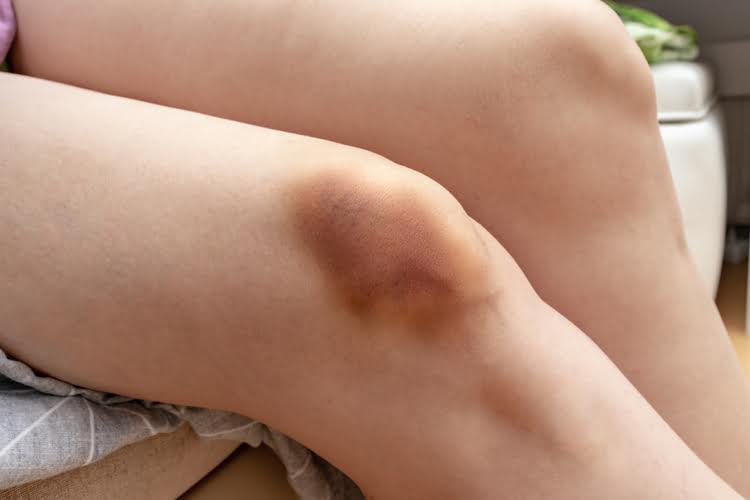
    • This isn’t usually a major concern unless they’re extensive or the discoloration seems extreme.
    • Activation of PKCɛ may protect the myocardium against ischemia–reperfusion injury by stimulating the opening of mitochondrial ATP-sensitive potassium channels.
    • This forms a platelet plug, which is the initial step in the clotting process.

    Impact of Drinking Patterns and Types of Alcoholic Beverages on Risk

    To control excessive bleeding and ensure an injury does not become life-threatening, the blood clots. When alcohol is introduced into the equation, the blood’s ability to clot is compromised. But in people who drink heavily, there can be a rebound effect in which the bleeding risk increases, even after they’ve stopped drinking.

    1. Anti-Inflammatory and Antioxidant Effects

    how does alcohol thin blood

    Usually, this after three or more drinks are consumed in a single sitting. Luckily, alcoholics who quit drinking see a reduction in blood pressure. Often those who come to treatment with high blood blood thinners and alcohol pressure return to normal levels within a month of not drinking. However, those already dealing with blood-pressure-related illnesses and heart conditions should only drink in moderation.

    • Let’s take a look at how alcohol affects the body, what this means if you need surgery, and what you can do in advance of your procedure.
    • No matter what type of surgery you’re having, there’s some measure of risk.
    • The combined effects of blood thinner medications and alcohol are dangerous because they can cause excessive bruising and bleeding.

    How To Stay Sober When Everyone Is Drinking

    In hospital, your medications are adjusted to control your blood pressure, but you aren’t drinking alcohol at that time. Back home, if you start drinking regularly again and your blood pressure changes, your GP can alter your medications. If you or someone you know is drinking alcohol, despite being on blood thinners and finding it difficult to stop on your own, speak to your doctor. If you’re taking blood thinners or will be soon, quitting drinking is critically important.

    Effects of Alcohol on Blood

    • Understanding these effects is crucial in debunking the myth surrounding the idea that alcohol can thin your blood.
    • It is our hope that with increased awareness, more and more people will get help with their alcohol problems.
    • Some studies have found that even light or moderate drinking can lead to some deterioration of the hippocampus.
    • Alcohol can interfere with the clotting process by making platelets less sticky and reducing the ability to form stable blood clots.
    • There is a widespread belief that alcohol has a thinning effect on the blood.

    Doctors and pharmacists can advise people whether they should avoid or limit their alcohol use while taking blood thinners. The safest way to avoid complications is to refrain from exceeding the recommended daily intake of alcohol. Alcohol consumption may decrease the amount of fibrinogen in the blood. The liver produces this protein, which plays an important role in controlling blood flow and promoting blood clotting.

    how does alcohol thin blood

    Types of Anticoagulants and Antiplatelet Medications:

  • Binge Drinking: Health Effects, Signs, and Prevention

    How to Quit Binge drinking

    Watching a family member struggle with a drinking problem can be as heartbreakingly painful as it is frustrating. But while you can’t do the hard work of overcoming addiction for your loved one, your love and support can play a crucial part in their long-term recovery. If certain people, places, or activities trigger a craving for alcohol, try to avoid them. This may mean making major changes to your social life, such as finding new things to do with your old drinking buddies—or even giving up those friends and finding new ones. The symptoms listed above may be a sign of a severe form of alcohol withdrawal called delirium tremens, or DTs. This rare, emergency condition causes dangerous changes in the way your brain regulates your circulation and breathing, so it’s important to get to the hospital right away.

    • Has it caused problems with your personal relationships, work or school, health, or in other areas of your life?
    • Here are tips for telling your friends and family you’re getting treatment to change your drinking.
    • You may do it as a way to relax after a difficult day at work or blow off steam after college exams.
    • With alcohol out of the equation, though, these chemicals cause withdrawal symptoms.
    • Remember that even though alcohol use is normalized in our culture, no amount of alcohol is good for you.

    The connection between binge drinking and alcohol abuse

    It is not known if any amount of alcohol is safe to drink while you are pregnant. If you are pregnant or planning to become pregnant, it is recommended that you do not drink at all. It might also be worth checking out a 12-step how to stop binge drinking program in your area, like Alcoholics Anonymous or SMART Recovery, to see if it feels like something that might be useful for you. Quitting alcohol alone is harder for some than others, but there’s no need to go it alone.

    The Dos And Don’ts Of Living With A Binge Drinker

    Most people who binge drink are not addicted to or dependent on alcohol. However, binge drinking can increase your risk of developing alcohol use disorder. How quickly a person’s body absorbs alcohol may depend on their sex, age, and body size. But it typically takes four or more standard drinks for women and five or more standard drinks for men to reach a BAC of 0.08% during a 2-hour binge drinking period. Binge drinking can lead to several short-term and long-term effects. Someone who binge drinks may experience impaired judgment, nausea, vomiting, and even unconsciousness.

    CAR-T immunotherapy for prostate cancer?

    • Good alcohol treatment prepares you for these challenges, helping you develop new coping skills to deal with stressful situations, alcohol cravings, and social pressure to drink.
    • After you’ve abstained for a couple of weeks, try extending your sobriety to a month or two.
    • However, try not to have too many firm expectations, as symptoms can continue for multiple weeks in some people.
    • While it’s vital to be upfront and honest about your worries, keep in mind that you can’t make someone quit drinking.
    • Focus on getting your sleep, movement, and diet right, and you’ll feel like a new person.
    • Consistent binge drinking over a long period of time can lead to a variety of issues with your physical health.

    You can make a change to reduce those risks and lead a healthier life. Unstable vital signs increase the risk of complications and can be managed with medications. People who experience severe withdrawal symptoms or DTs may require hospitalization or intensive care unit (ICU) treatment during alcohol. You https://ecosoberhouse.com/ don’t need to be diagnosed with alcohol use disorder in order to quit drinking. If alcohol is interfering with your health or your personal, financial, or professional life, consider quitting. When someone drinks alcohol for a prolonged period of time and then stops, the body reacts to its absence.

    • Drinking heavily can have an impact on your physical and mental health in both the short and long-term.
    • The National Institute on Alcohol Abuse and Alcoholism defines binge drinking as a pattern of drinking alcohol, typically within a 2-hour period, which brings a person’s BAC to 0.08% or higher.
    • They’ll be able to provide you with advice on how to stop binge drinking and cut down on your alcohol consumption.
    • Additionally, I examine the way mental and physical health as well as our relationships with others impact the reasons people drink and their role in maintaining sobriety long-term.

    How to Quit Binge drinking

    Many people find it helpful to share their stories and listen to others who are struggling. Drinking heavily can have an impact on your physical and mental health in both the short and long-term. Your first step may be to try to cut down or quit on your own.

    How well do you score on brain health?

    How to Quit Binge drinking

    Whether you choose to tackle your alcohol addiction by going to rehab, getting therapy, or taking a self-directed treatment approach, support is essential. Recovering from alcohol addiction or abuse is much easier when you have people you can lean on for encouragement, comfort, and guidance. Make a note about how you feel physically and mentally on these days—recognizing the benefits may help you to cut down for good.

    How to Quit Binge drinking

    Bingeing has both short- and long-term risks, including alcohol poisoning, increased risk of a stroke or heart attack, and damage to the heart, brain, and liver. Binge drinking means to drink a large amount of alcohol in a short period of time. Alcohol can take a serious toll on your body, and binge drinking carries a lot of risks. Binge drinkers and people who drink excessively have a larger chance of developing several physical and mental health issues.

    Take a break from alcohol.

    How to Quit Binge drinking

    How binge drinking can harm your health

  • Drinking Alcohol Affects Your Kidneys National Kidney Foundation

    Can Alcohol Cause Blood In Urine

    Urine moves from the kidneys through narrow tubes to the bladder. Urine leaves the body through another small tube called the urethra. If you notice blood in your urine after consuming alcohol, it’s important to understand when to seek medical help and the available diagnosis and treatment options.

    Your treatment will depend on the size, shape, and location of your stone, the NIDDK says. In most cases, even if the process really hurts, you’ll be able to pass the stone through your pee. If you have a larger stone, though, your doctor can use shock waves to smash it into smaller pieces so you can pee them out, the NIDDK explains. Your doctor may also insert long, thin tools into your urethra to locate the stone, then remove it or break it into smaller pieces.

    That is why alcohol detox and alcohol withdrawal treatment is administered by medical professionals. As blood passes through, kidneys filter out waste products and toxins which are excreted in urine. This kind of UTI can inflame the lining of your bladder enough for it to bleed and result in bloody urine, Tom Guzzo, M.D., chief of urology at Penn Medicine, tells SELF. “It’s almost like having tiny cuts or a rash on the inside of the bladder,” Dr. Linehan adds. It is often a sign of a health condition that needs to be treated.

    How Is Alcohol Detected in a Urine Test?

    Maintaining a healthy lifestyle and consulting with healthcare professionals when necessary can help ensure optimal urinary tract health. Early detection and treatment of underlying conditions can help ensure optimal urinary tract health. If you experience hematuria or are concerned about blood in your urine, it is recommended to consult a healthcare professional for an accurate diagnosis and appropriate medical evaluation. Understanding the underlying causes of hematuria is crucial for determining the appropriate treatment and ensuring urinary tract health. It may also be microscopic and only detected by a urine test (urinalysis).

    The presence of kidney stones can also lead to other symptoms such as severe pain in the side or back, frequent urination, and cloudy or foul-smelling urine. If you suspect kidney stones, it’s crucial to consult a healthcare professional for appropriate management. We publish material that is researched, cited, edited and reviewed by licensed medical professionals. The information we provide is not intended to be a substitute for professional medical advice, diagnosis or treatment. It should not group activities for recovery be used in place of the advice of your physician or other qualified healthcare providers. People who drink too much often ask, does alcohol lower blood pressure?

    Your healthcare professional is the best person to provide accurate diagnosis and guide you towards the most appropriate treatment options. By adopting these tips, individuals can take proactive steps to maintain a healthy urinary tract. It’s important to remember that alcohol consumption alone is not a direct cause of blood in urine. However, if you have concerns about your urinary tract health or develop any symptoms, it is always best to consult with a healthcare professional to ensure proper evaluation and treatment. These infections occur when bacteria enter the urinary tract, leading to inflammation and irritation.

    While alcohol consumption may not directly cause blood in urine, it can indirectly contribute to the exacerbation of these underlying conditions. For example, excessive alcohol intake can lead to dehydration, which may increase the risk of developing UTIs or kidney stones. It’s important to remember that while alcohol consumption may sometimes coincide with the presence of blood in urine, it is not necessarily the direct cause. Other factors, such as urinary tract infections, kidney stones, bladder or kidney infections, trauma or injury, medications, and medical conditions, can contribute to hematuria. Once a diagnosis is made, appropriate treatment options will be discussed based on the underlying cause. Moreover, alcohol can impact the kidneys, which are responsible for filtering waste and excess fluids from the bloodstream.

    They can determine the underlying cause of the blood in urine and provide guidance based on your specific situation. It is essential to consult a healthcare professional if you experience blood in urine, as they can accurately diagnose the underlying cause and recommend appropriate treatment. Understanding the potential causes of blood in urine can help guide discussions with your healthcare provider, ensuring a timely and accurate diagnosis. Infections of the bladder or kidneys, known as cystitis and pyelonephritis respectively, can cause hematuria. These infections can occur due to bacterial invasion and can result in inflammation and bleeding within the urinary tract.

    1. They can help identify the underlying cause and provide guidance on the necessary steps to address the issue effectively.
    2. Maintaining a healthy lifestyle and consulting with healthcare professionals when necessary can help ensure optimal urinary tract health.
    3. “Even if you notice blood in the urine on a single occasion, it should not be ignored,” urges Dr. Brito.
    4. If the infection spreads to the blood, it could lead to a life-threatening condition called sepsis.
    5. Alcohol abuse harms many organs in the body, including the kidneys.

    When blood is present in your urine, it may be a sign of an underlying health condition. It is important to see your healthcare provider to determine the cause and find the right treatment plan. When blood in the urine is visible to the naked eye (usually causing urine to turn tea-colored), it’s called gross hematuria. When red blood cells are present in a patient’s urine but not visible, it’s called microscopic hematuria.

    Causes of Blood in Urine

    The Recovery Village can help you better understand how alcohol use affects the body. If due to an infection, a simple course of antibiotics may be the cure. If the problem is with the kidneys themselves, patients may be referred to a nephrologist for further management. If a malignancy or anatomic defect is the cause, surgery may be recommended. If it is determined that hematuria is from a benign cause, treatment may not be liberty cap lookalikes poisonous necessary. Noticing bloody or discolored urine, a condition known as hematuria, can be alarming.

    Complications from Blood in the Urine

    However, excessive and chronic alcohol consumption can have detrimental effects on the kidneys and overall urinary tract health. They can also cause chills, fever, nausea, vomiting, and back, side, or groin pain, the NIDDK says. See a healthcare provider if you are unsure if there is blood in your urine. There are harmless causes of hematuria, including heavy exercise, infection, kidney stones, or trauma to the urinary tract. But it’s important to know that hematuria is often the only sign of cancer, such as a tumor in the bladder or kidney. People who drink too much are more likely to benzo belly have high blood pressure.

    Understanding urine test results

    While it can be alarming to see blood in the urine, it’s important to understand the underlying causes and potential factors contributing to this condition. While cirrhosis scars from excessive drinking are irreversible, quitting alcohol and leading a healthier lifestyle can help your liver heal from alcohol-related liver disease. Because alcohol impairs kidney and liver functioning, normal urine excretion can also be impaired. To boost urinary health and improve internal organ functioning, it may be best to lower alcohol intake.

    Can Alcohol Cause Blood In Urine

    A high alcohol intake may also increase the risk of other problems that can hurt the kidneys, such as a urinary tract infection, high blood pressure, and long-term kidney damage. It’s important to understand the potential underlying causes of hematuria and seek appropriate medical attention if necessary. Understanding the potential factors that can contribute to hematuria is crucial in order to determine the appropriate course of action. If you experience blood in your urine, it’s important to consult a healthcare professional for a proper evaluation and diagnosis.

  • Sobriety Strategies: 13 Tips for Staying Sober

    Being sober with someone who drinks

    Whether you feel you may be abusing alcohol, or you consider yourself a social drinker, you may be displaying signs of alcohol abuse such as binge drinking which can lead to more serious issues in the future. There may be very little you can do to help someone with AUD until they are ready to get help, but you can stop letting someone’s drinking problem dominate your thoughts and your life. It’s OK to make choices that are good for your own physical and mental health. One of the ways to do this is when you start attending meetings, look for those individuals who are there for the right reasons and not just because they are forced to be there. Create a list of individuals who you can call to go grab a quick bite or simply for a cup of coffee.

    Don’t Take It Personally

    Being sober with someone who drinks

    Loving and encouraging family and friends can definitely help support your journey to become sober. This guide includes the steps required to fully support the path and the journey to addiction recovery. If people press that response, I’ll either stare at them and hold an uncomfortable silence (this is enjoyable at some point), or just change the subject. There are exceptions to this, like if someone alludes to their own struggle with alcohol, and then I might offer up a bit more of my personal experience.

    Being sober with someone who drinks

    Avoid Old Habits and Toxic Relationships

    Being sober with someone who drinks

    If you have the time, sign on to a longer-term project like helping with this year’s charity bake sale or the big 5K race your city holds yearly. You’ll get to meet new people and be a part of something positive. I over-identified with every negative feeling in my body. We are stressed-out, overstimulated, tech-obsessed creatures.

    Know when to move on from a relationship

    • But this kind of boundary setting is actually perfectly healthy, and essential to living and socializing with others who still drink.
    • And one day, it will occur to you that you’re actually happy and enjoying your life.
    • Check for support groups around your area that share the same values and goals.
    • Those three days informed my understanding of what was happening to Bill and us as a family unit.
    • When you finally get over those first months of early sobriety, you’ll see that you’re not so bad after all.

    Therefore, it’s important to ask questions to ensure that the program you want meets all of your needs. There are multiple factors to consider, including cost, reviews, licensing, accreditations, amenities, and treatments. It can seem intimidating being sober around drinkers to look at the end goal and know the many steps it will take to get sober. No one can wave a magic wand and make you or someone you love sober. Sobriety is a lifelong journey filled with challenges and obstacles but also incredible rewards.

    Being sober with someone who drinks

    Tip 6: Consider Inpatient Treatment

    • In fact, your journey to sobriety will likely involve strengthening some relationships and purging others.
    • One patient told me that his father — who he knew liked a drink — always abstained when they were together in drinking situations out of solidarity and support for his son.
    • When I stopped drinking, not only did my recovery dictate that I needed lots of time to myself, lots of self-care, and lots of nights in, I discovered that I was, in fact, someone who relishes in alone time.
    • This can be especially true if you’re surrounded by people who drink.

    It will hurt (pretty bad at first), but in time you will come to see it as the gift it is—and you won’t waste time getting to know the wrong person. In these moments, I have to remind myself that recovery isn’t just about not drinking; it’s about remembering that I am first and foremost responsible for advocating for my own well-being and boundaries. This is an opportunity https://ecosoberhouse.com/ to assert for your needs, and therefore assert your worth. Personally, I always thought drunk people were fun, and I didn’t want my own poop relationship with alcohol to stand out. I wanted to blend in nicely with a crowd who understood that sometimes you just want to drink your face off, or one that didn’t think anything was weird about a glass of noon wine.

    The Dawn Wellness Centre and Rehab offers one of the best Thailand alcohol rehab programmes. It offers onsite medically monitored alcohol detox and therapy is tailored to your specific needs. Together with our experienced, supportive clinical team, you will uncover the root causes of your addiction and develop tools and coping skills to overcome it. Consider writing a letter to your partner sharing your thoughts and feelings about where you’re at and what you need. Be as honest as you can about what recovery means to you. This can be an incredibly useful exercise not only in helping your partner understand what you’re going through, but also in expressing this experience to yourself.

    However, a crisis is usually the time when you should do nothing. When someone reaches a crisis point, sometimes that’s when they finally admit they have a problem and begin to reach out for help. Internal triggers – These are often caused by thoughts or emotions such as anxiety, excitement, sadness, and frustration, among others.

    Being sober with someone who drinks

    Individualized, evidence based treatment, to fit your needs.

    Identify Your Personal Triggers

  • Should I Quit Drinking Cold Turkey or Gradually?

    These groups provide a supportive community of individuals who understand the challenges of addiction and can offer guidance and encouragement throughout the recovery journey. Online resources and forums can also provide a sense of community and support, especially for those who may not have access to in-person meetings. When it comes to quitting alcohol, abruptly stopping can have significant long-term effects on both physical and mental health. It’s important to understand these potential impacts in order to make informed decisions about quitting and seek appropriate support. It is important to note that not everyone will experience all of these symptoms, and the intensity and duration of the symptoms can vary from person to person.

    • Further, the severity of withdrawal symptoms can cause a person to resort back to drinking alcohol to relieve any symptoms.
    • He tailors treatment plans to meet individual needs, fostering healing and growth.
    • Seeking professional help and support is crucial when considering quitting alcohol.
    • Because he is a member of a support group that stresses the importance of anonymity at the public level, he does not use his photograph or his real name on this website.
    • However, it increases the risk of not completing the taper or relapsing afterward.
    • Creating a tapering schedule you can stick with is a crucial part of weaning yourself off alcohol.

    Insurance May Cover The Cost of Alcohol Rehab

    With the right strategies, support, and coping mechanisms in place, individuals can overcome challenges and achieve long-lasting sobriety. By seeking treatment, individuals can benefit from various therapeutic interventions, such as individual counseling, group therapy, and support groups. These interventions help individuals understand the root causes of their alcohol use, develop coping mechanisms, and acquire strategies for maintaining long-term sobriety.

    Challenges of Tapering Off Alcohol

    alcohol tapering vs cold turkey

    Let’s explore the personal factors to consider and alternative approaches that individuals can explore. Debunking myths, exploring risks, and finding success in your sobriety journey. Using these strategies to manage cravings and triggers, you’ll be better equipped to maintain your sobriety and achieve success in your recovery journey. Remember, perseverance and commitment are key when quitting drinking cold turkey. Support groups, such as Alcoholics Anonymous (AA), can also be a valuable resource for individuals seeking to quit alcohol.

    • It is important to note that not everyone will experience all of these symptoms, and the intensity and duration of the symptoms can vary from person to person.
    • The potential dangers underscore why this method of quitting is often advised against by medical professionals.
    • Weaning off alcohol gives your body chemistry a chance to adjust, reducing the shock to your system.
    • If you’re relying on internet searches to find potential treatment centers, make sure to ask these ten questions to find a licensed facility that can meet your needs.
    • Seek guidance from addiction treatment experts and explore your options to find the best-suited rehab center, increasing your chances of achieving lasting sobriety.
    • It is crucial to understand that quitting drinking is a long-term process that requires ongoing commitment, support, and healthy coping mechanisms.

    Addiction Denial: How to Help a Family Member in Denial

    These factors include the individual’s level of dependence, overall https://prodobavki.com/legacy_documents/24.html health, and support system. When it comes to quitting alcohol, the idea of quitting cold turkey may seem like an easy and straightforward solution. However, the reality is that quitting alcohol cold turkey can present various challenges and difficulties. It’s important to understand these challenges and develop strategies for success to increase the chances of a successful recovery.

    alcohol tapering vs cold turkey

    Talking to a therapist can help address potential triggers that caused the relapse and help the individuals navigate challenges in the future. The NIAAA estimates that as many as 90% of people with AUD relapse at least once during their treatment. Instead, they should stop drinking and ask for help as soon as possible. This particular withdrawal form is known as alcohol withdrawal syndrome (AWS).

    Can You Stop Drinking Alcohol Cold Turkey?

    “Management of moderate and severe alcohol withdrawal syndromes.” September 15, 2023. Always consult a medical professional before starting http://www.glazok.ru/news/30/entry/3619/index.html any tapering schedule. Tapering off alcohol is a method of reducing your alcohol intake gradually.

    • We can, with your consent, pass your details to our partners that can offer this.
    • Surrounding yourself with other people who are sober will dramatically improve your chances of staying away from alcohol.
    • Quitting cold turkey is a significant challenge, especially for individuals with severe alcohol use disorder (AUD) or a long history of heavy drinking.
    • Prolonged and excessive alcohol consumption can impact your brain, causing changes to the neurotransmitter gamma-aminobutyric acid (GABA) receptors.
    • Alcohol stops the brain from absorbing enough thiamine (vitamin B1), which prevents the brain cells from functioning effectively.

    If you are unsure about the best method for you, it is recommended to consult with a healthcare professional who can provide personalized guidance based on your specific needs. If you start to experience significant withdrawal symptoms when you stop drinking, a taper can provide a much safer method to detox from alcohol. Tapering can be done by using alcohol itself or various medications; however, can only be done safely under the supervision of a physician. When you taper your alcohol, you slowly reduce your alcohol intake over time. By gradually drinking less instead of stopping cold turkey, your body has a chance to adapt to smaller and less frequent drinks. Sydney http://www.metallibrary.ru/news/music/p591/2760.html Tubbs is a driven and compassionate Operations Director at The Freedom Center.

  • Health Topics: Alcohol-Induced Blackouts National Institute on Alcohol Abuse and Alcoholism NIAAA

    Alcohol Blackouts

    Future research is needed to shed more light on this important question. In particular, research in what are whippets animals will be an important supplement to studies in humans, affording a better understanding of the underlying prefrontal circuitry involved in alcohol-induced memory impairment. Alcohol-related blackouts are gaps in a person’s memory for events that occurred while they were intoxicated. These gaps happen when a person drinks enough alcohol to temporarily block the transfer of memories from short-term to long-term storage—known as memory consolidation—in a brain area called the hippocampus. The authors concluded that the blackouts were caused by an inability to transfer information from short-term to long-term memory when blood alcohol levels were rising. The results were published in the Quarterly Journal of Studies on Alcohol.

    This is because blacking out typically involves dangerous drinking behaviors, such as binge drinking and heavy drinking. The term for the type of memory loss individuals experience when they black out is called anterograde amnesia, which means they can’t form or store new memories but they have previous memories. People who experience an alcohol-related blackout may keep walking, talking, making decisions, and drinking, but they don’t remember some or all of what happened. These people may seem relatively fine to those around them despite their memory impairment.

    How to Avoid Blackout Drinking

    The activity—which corresponds to the middle portion of the lower left arm of the maze—is shown before alcohol administration (A), 45 to 60 minutes after alcohol administration (B), and 7 hours after alcohol administration (C). The dose of alcohol used in the testing session was 1.5 grams per kilogram of body weight— enough to produce a peak BAC of about 0.16 percent. (A corresponding BAC in humans would be twice the legal driving limit in most States.) As the how to wean off alcohol figure illustrates, the cell’s activity was essentially shut off by alcohol.

    These authors recruited 108 college students, half of whom had experienced at least one fragmentary blackout in the previous year. While sober, members of the two groups performed comparably in memory tasks. However, when they were mildly intoxicated (0.08 percent BAC) those with a history of fragmentary blackouts performed worse than those without such a history.

    This heightened responsiveness is known as long-term potentiation (LTP). In recent work with awake, freely behaving rats, White and Best (2000) showed that alcohol profoundly suppresses the activity of pyramidal cells in region CA1. The researchers allowed the rats to forage for food for 15 minutes in a symmetric, Y-shaped maze and measured the animals’ hippocampal activity using tiny wires (i.e., microelectrodes) implanted in their brains.

    Is Blacking Out a Sign of an Alcohol Use Disorder?

    And the higher blood alcohol levels reach, the more likely a person will black out. The more genetically susceptible rhinophyma and alcoholism an individual is, the less alcohol is required to black out. You may feel fine or functional while drinking and will only realize you have memory loss after the fact.

    Treatment

    We do know that women are more likely to experience other effects of alcohol, such as liver cirrhosis, heart damage, nerve damage and other diseases caused by alcohol. However, scientists at the Washington University School of Medicine found in a 2011 study that alcohol didn’t kill brain cells. Instead, they found that alcohol interfered with receptors in the brain, making them produce steroids that interrupted the learning and memory-building process. Take our free, 5-minute alcohol abuse self-assessment below if you think you or someone you love might be struggling with alcohol abuse. The evaluation consists of 11 yes-or-no questions that are intended to be used as an informational tool to assess the severity and probability of an alcohol use disorder. The test is free and confidential, and no personal information is needed to receive the results.

    1. White and Best administered several doses of alcohol in this study, ranging from 0.5 g/kg to 1.5 g/kg.
    2. A blackout from drinking is far different from passing out, although people tend to confuse the two.
    3. Because of the location-specific firing of these cells, they often are referred to as “place-cells,” and the regions of the environment in which they fire are referred to as “place-fields” (for reviews, see Best and White 1998; Best et al. 2001).

    There are two possible interpretations for these data, both of which support the hypothesis that some people are more susceptible to blackouts than others. A second interpretation is that subjects in the blackout group performed poorly during testing as a result of drinking enough in the past to experience alcohol-induced memory impairments. In other words, perhaps their prior exposure to alcohol damaged the brain in a way that predisposed them to experiencing future memory impairments. This latter possibility is made more likely by recent evidence that students who engage in repeated episodes of heavy, or binge, drinking are more likely than other students to exhibit memory impairments when they are intoxicated (Weissenborn and Duka 2000).

    Alcohol Blackouts

    Unlike en bloc blackouts, fragmentary blackouts involve partial blocking of memory formation for events that occurred while the person was intoxicated. Goodwin and colleagues (1969a) reported that subjects experiencing fragmentary blackouts often become aware that they are missing pieces of events only after being reminded that the events occurred. Interestingly, these reminders trigger at least some recall of the initially missing information. Research suggests that fragmentary blackouts are far more common than those of the en bloc variety (White et al. 2004; Hartzler and Fromme 2003b; Goodwin et al. 1969b). He survived but showed memory impairments similar to those exhibited by H.M.

    Alcohol Blackouts

    Several factors affect the likelihood that information will be transferred into long-term memory. For decades, researchers have known that alcohol disrupts the brain’s ability to transfer memories from short-term to long-term memory, but they didn’t know how. The common consensus was that alcohol killed brain cells, causing memory loss and other cognitive impairments. The term “blackout” refers to the loss of memory caused by a fast spike in blood alcohol level (BAC). It may also be referred to as “alcohol-induced amnesia.” Want to know what causes a drunk blackout?

    The fact that subjects could remember aspects of the events 2 minutes after they occurred but not 30 minutes or 24 hours afterward provides compelling evidence that the blackouts stemmed from an inability to transfer information from short-term to long-term storage. For all but one subject in the blackout group, memory impairments began during the first few hours of drinking, when BAC levels were still rising. The average peak BAC in this group, which was roughly 0.28 percent, occurred approximately 2.5 hours after the onset of drinking. Alcohol primarily interferes with the ability to form new long-term memories, leaving intact previously established long-term memories and the ability to keep new information active in memory for brief periods. As the amount of alcohol consumed increases, so does the magnitude of the memory impairments. Large amounts of alcohol, particularly if consumed rapidly, can produce partial (i.e., fragmentary) or complete (i.e., en bloc) blackouts, which are periods of memory loss for events that transpired while a person was drinking.

    Neural activity returned to near-normal levels within about 7 hours of alcohol administration. To evaluate the effects of alcohol, or any other drug, on memory, one must first identify a model of memory formation and storage to use as a reference. This model often is referred to as the modal model of memory, as it captures key elements of several other major models. Indeed, elements of this model still can be seen in virtually all models of memory formation.

    He is the author of numerous books, including From Bud to Brain and Marijuana on My Mind. Some groups have a higher risk and should use special care when consuming alcoholic beverages.